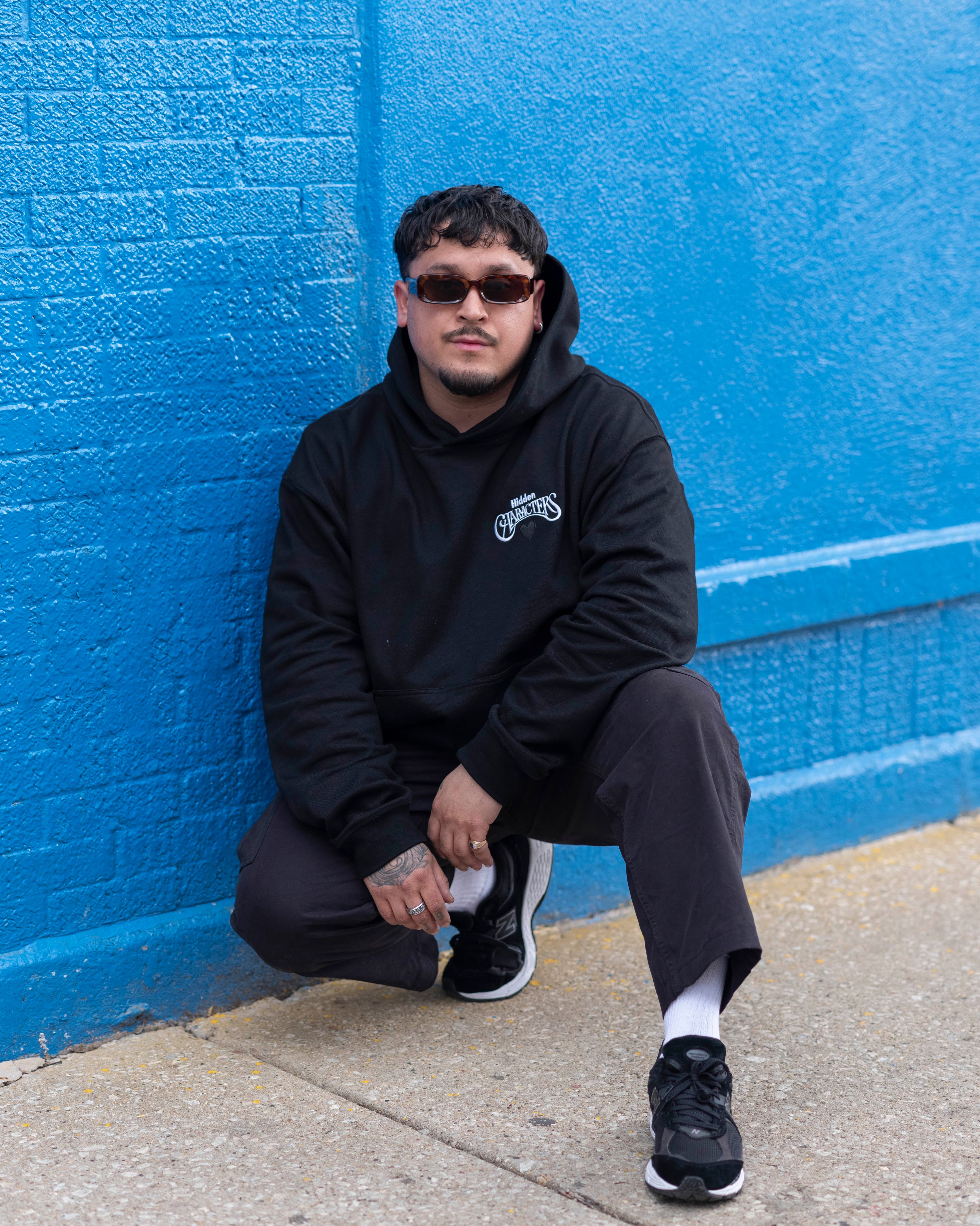
Brian Herrera

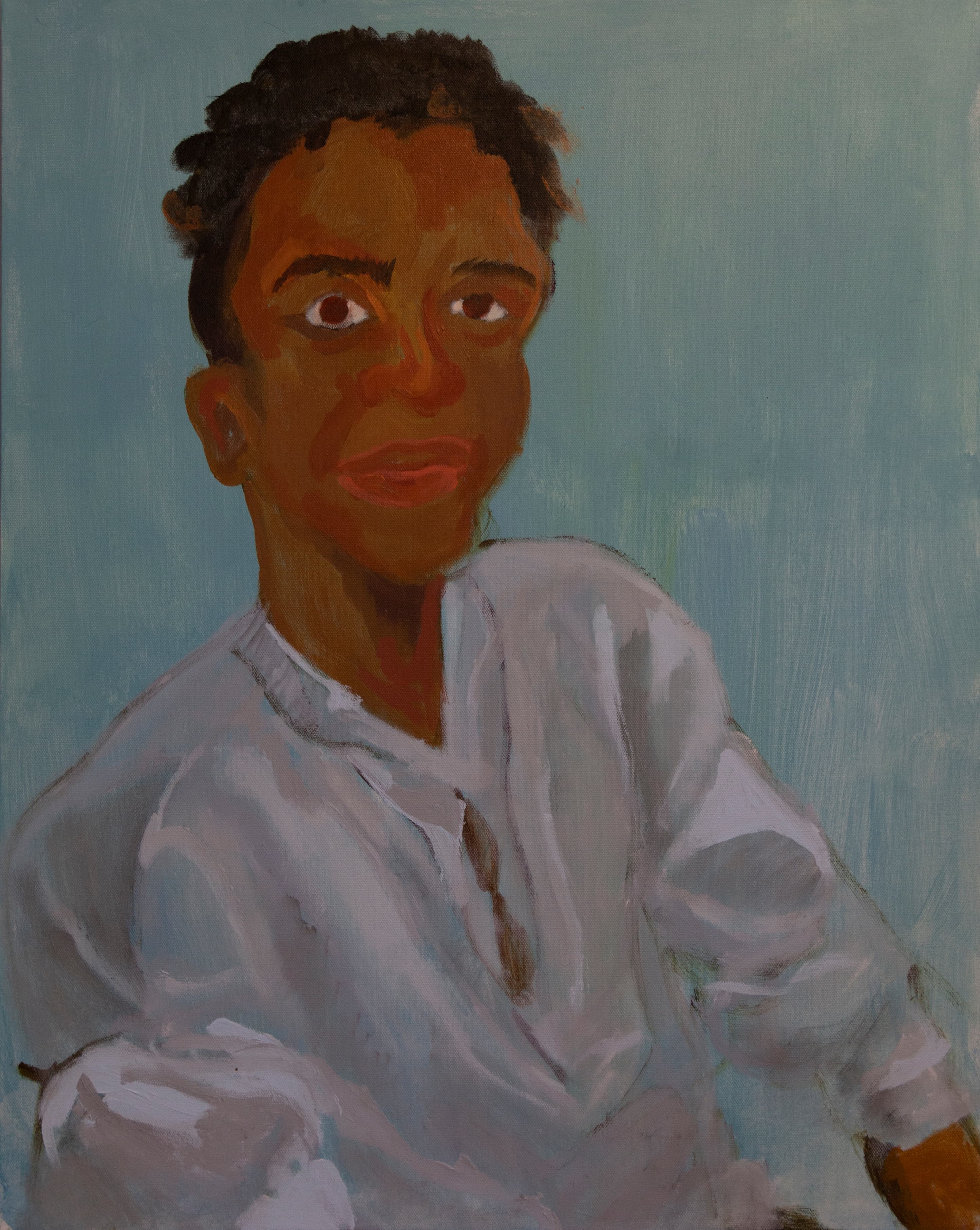
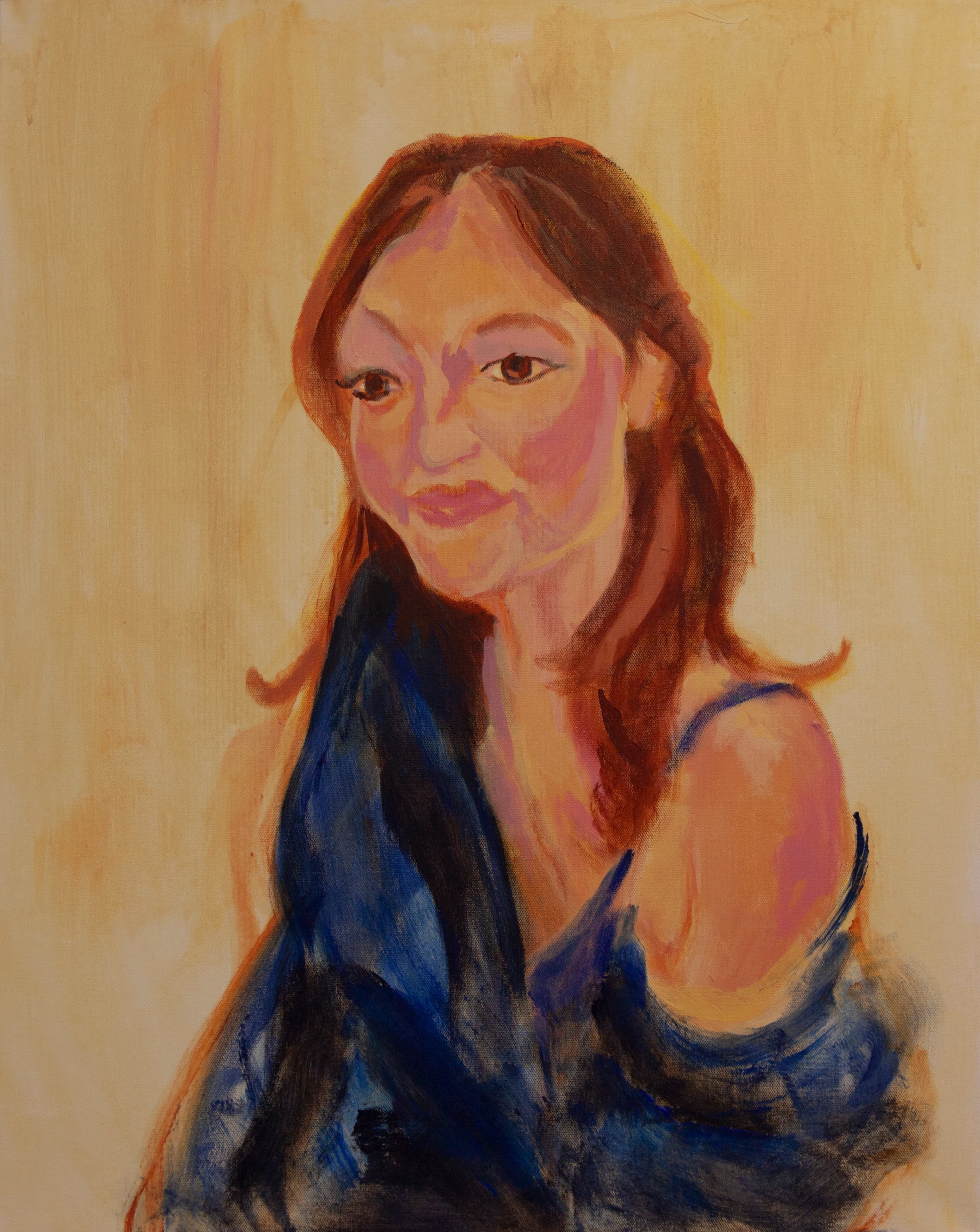
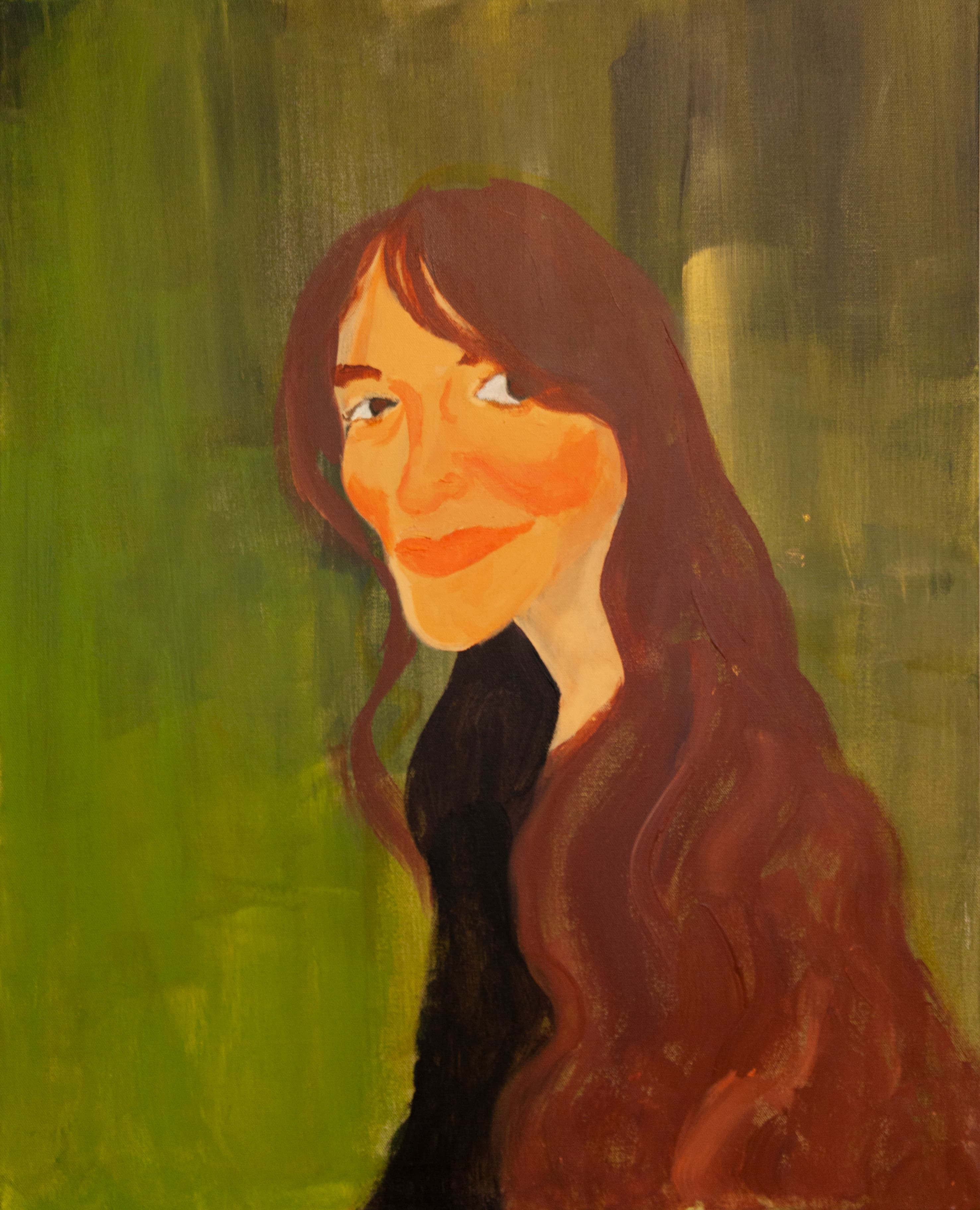
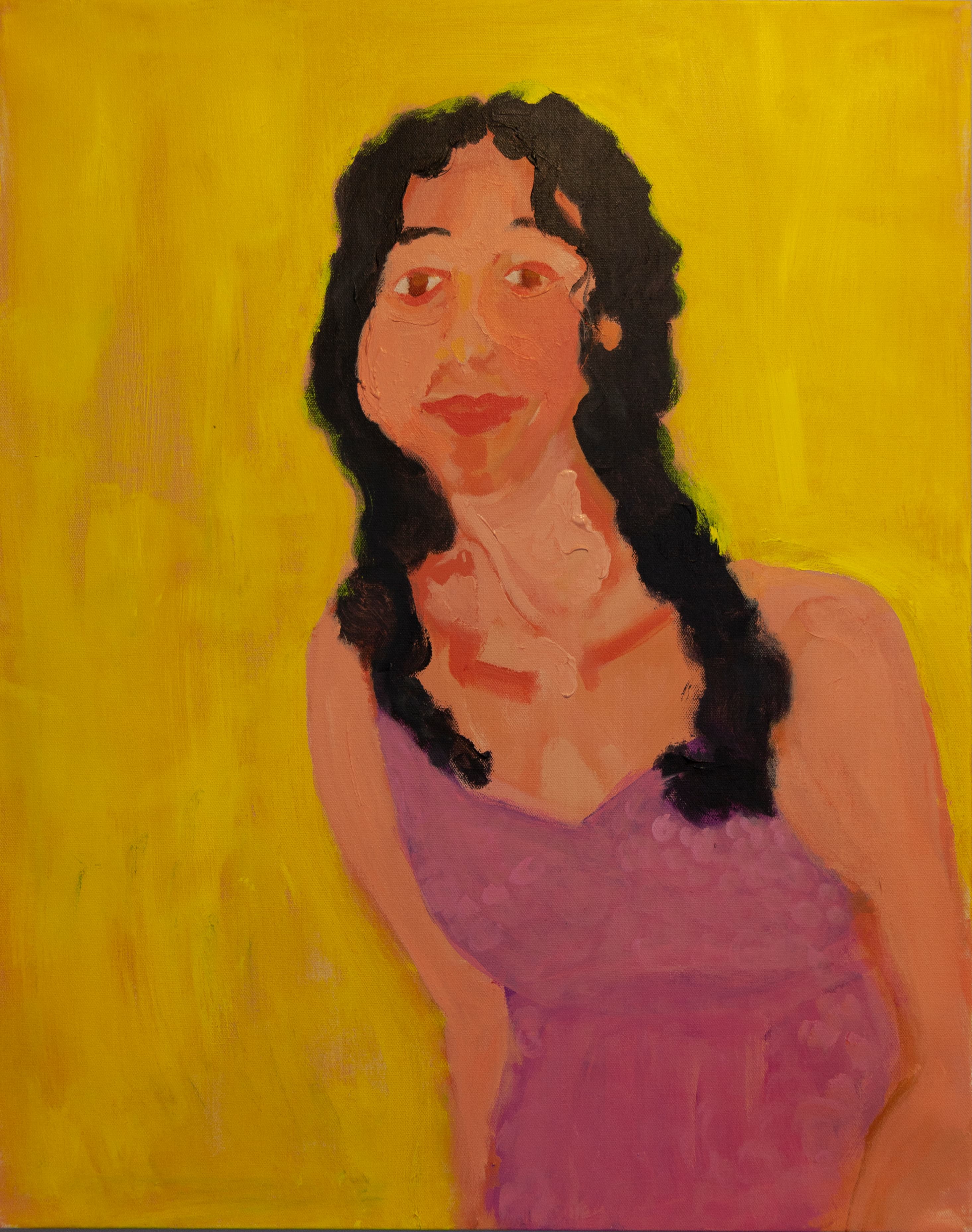
Born in Veracruz, Mexico and raised in the vibrant cultural landscape of Chicago, Brian Herrera emerged as a multifaceted artist blending illustration, design, and storytelling. His work delves into the complexities of immigrant identity, infusing his work with a passion for music and street art. The visual narratives experiment with a deep connection to his roots and a profound exploration of cultural themes.

Herrera’s portfolio boasts an array of impressive projects, including product design for distinguished establishments like Rick Bayless’ Brewery Cruz Blanca and Dark Matter Coffee, a pioneering coffee brand renowned for its innovation, based in the heart of Chicago. Furthermore, he has made significant contributions in the realms of Creative Direction and Illustration with Universal Music Group’s celebrated 2022 Latinx and Hispanic Heritage Month campaign. He has been showcased in esteemed institutions like the Cooper Hewitt, Smithsonian Design Museum in New York City, as well as the Creative Resilience art show in the bustling DTLA Arts District, among others.

Herrera’s recent recognition includes the Victor K. McElheny Award from MIT and the Knight Science Journalism program for his illustration work, further acknowledging his unique contributions to the intersection of art and science.

Throughout his journey, Herrera has lent his creative expertise to various notable collaborations. Notably, he has worked with Luxury Brand Hermés on live activations as well as global sports brand Adidas, leaving an imprint during the high-profile 2020 NBA All-Star Game. His artistic acumen has also been showcased at Poster House NYC, further solidifying his reputation as a sought-after creative talent. Beyond these accomplishments, Herrera has lent his unique vision to alternative Latin and punk bands and artists, including emerging talents like Cabeza de Chivo, Rudy de Anda, and French Police. Moreover, he has made invaluable contributions to renowned nonprofit organizations such as The Center for Cultural Power (Culture Strike), Define American, Immigrants Rising, and Borderless Magazine, employing his artistry to shed light on the immigrant experience.

 He is currently working on a short film about the DIY punk scene in the Southside of Chicago with the help of Full Spectrum Features and Periscope Post and Audio at Cinespace Studios Chicago, further pushing the boundaries of storytelling through visual media. With each project he undertakes, Herrera continues to push boundaries, combining his innate creativity with a profound understanding of the visual language to create captivating and resonant experiences for his audience.

Brian Herrera & Phoenix Military Academy

Click photo to enlarge

Click photo to enlarge

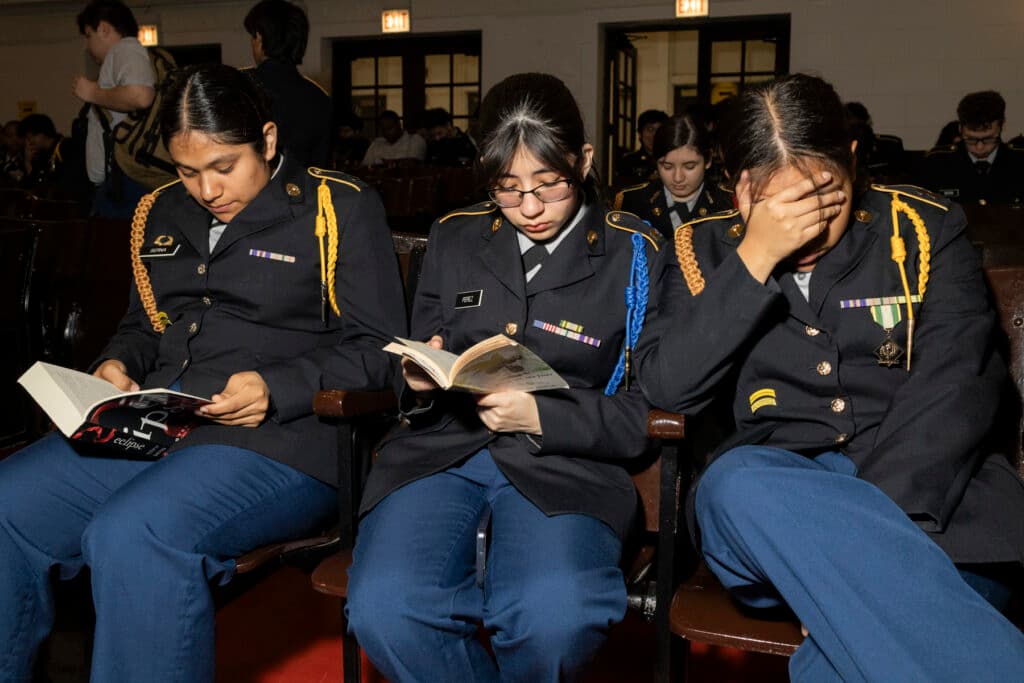
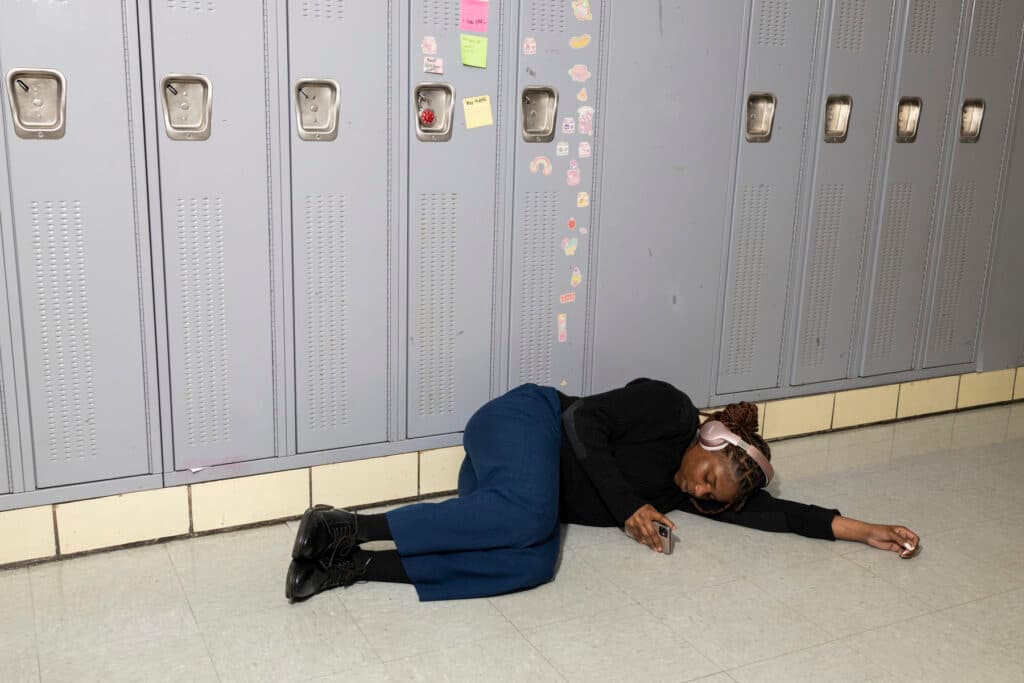
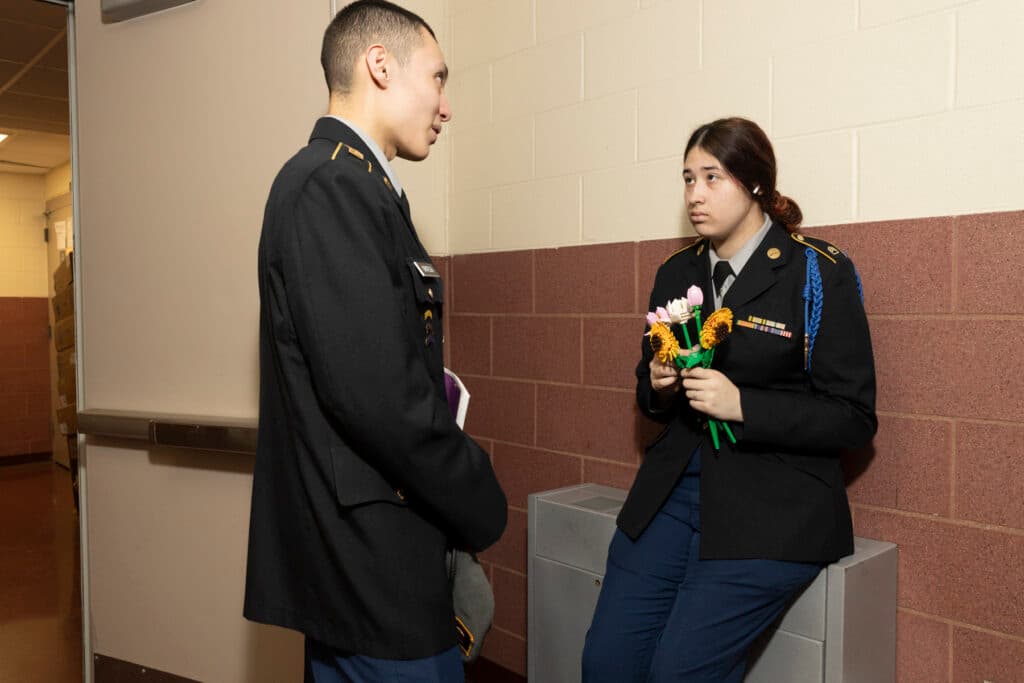
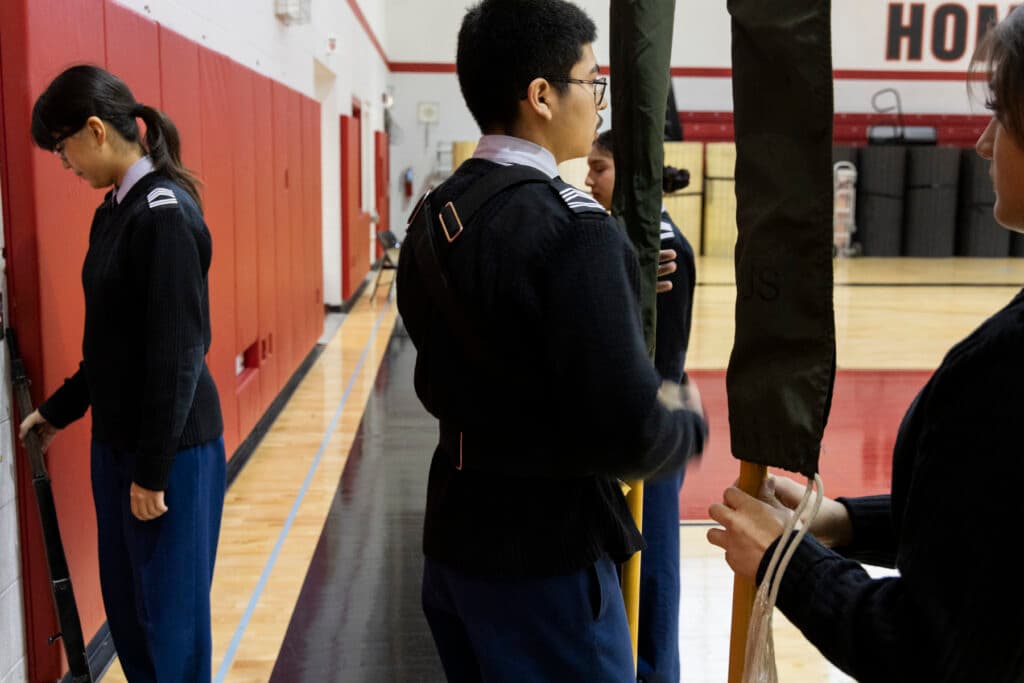
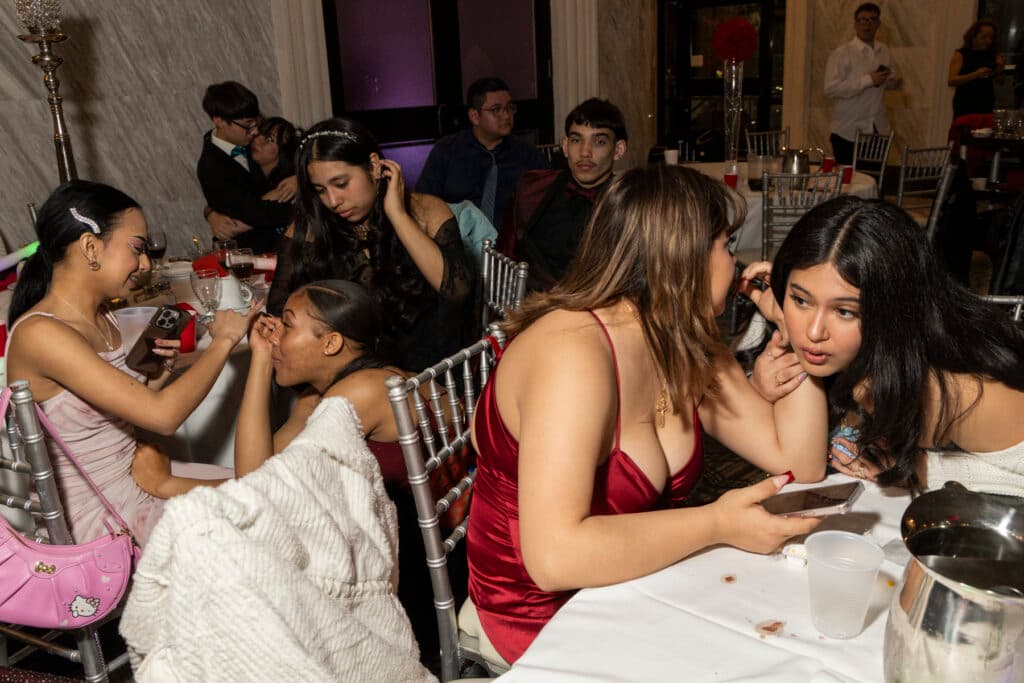
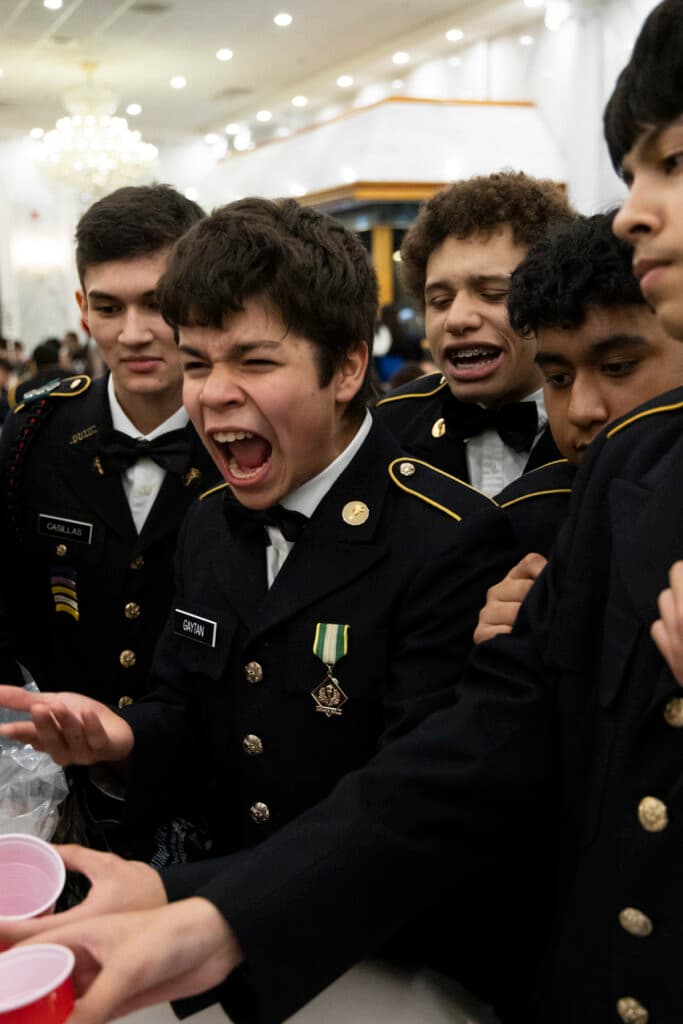
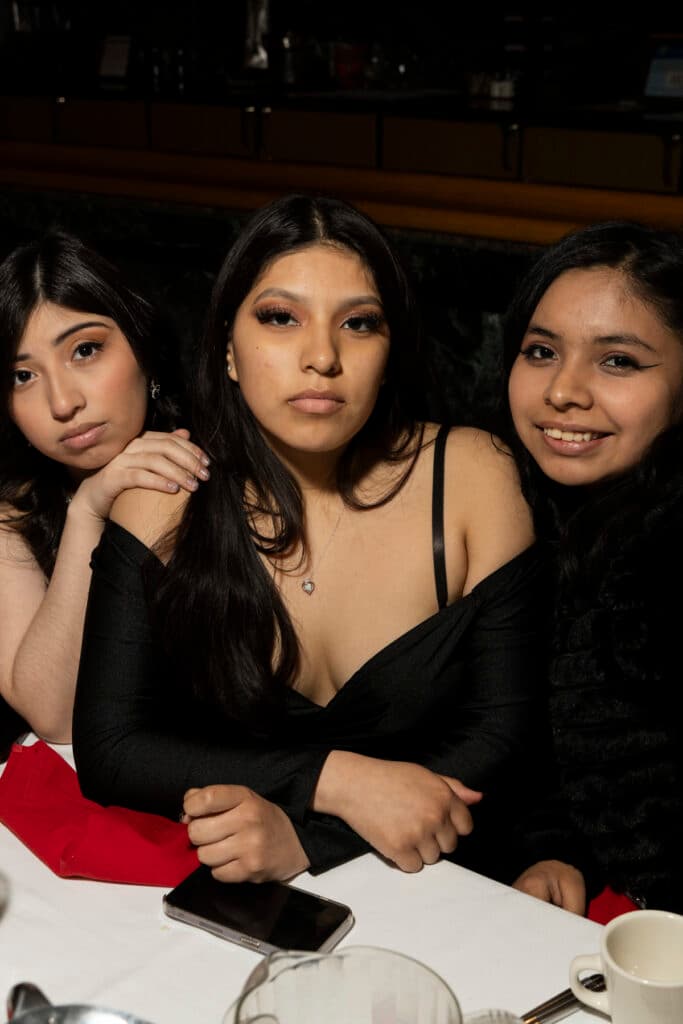
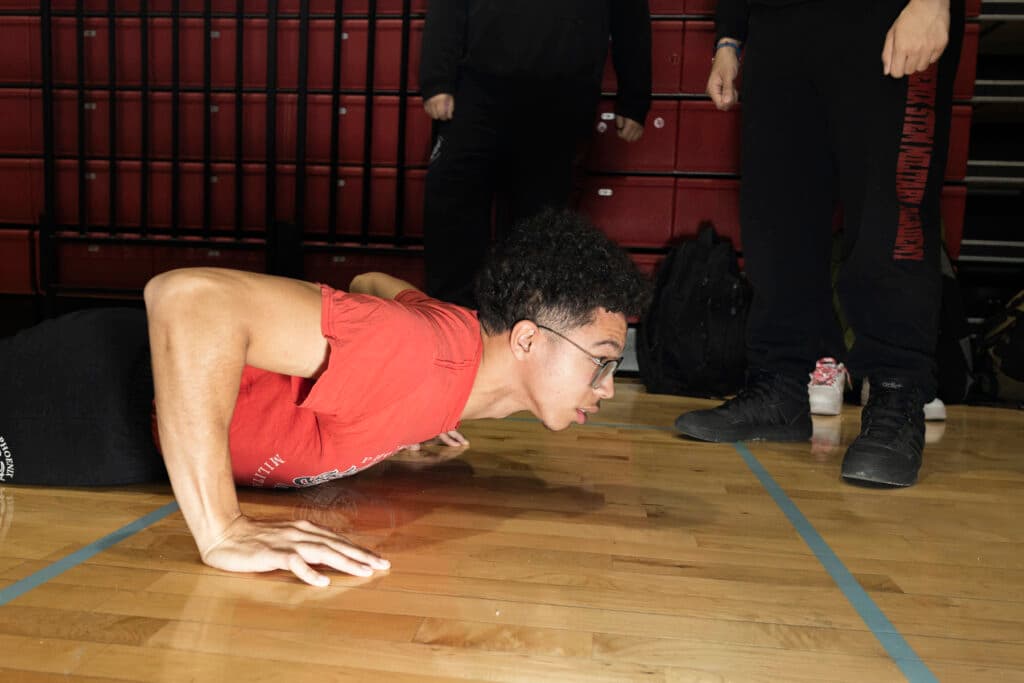
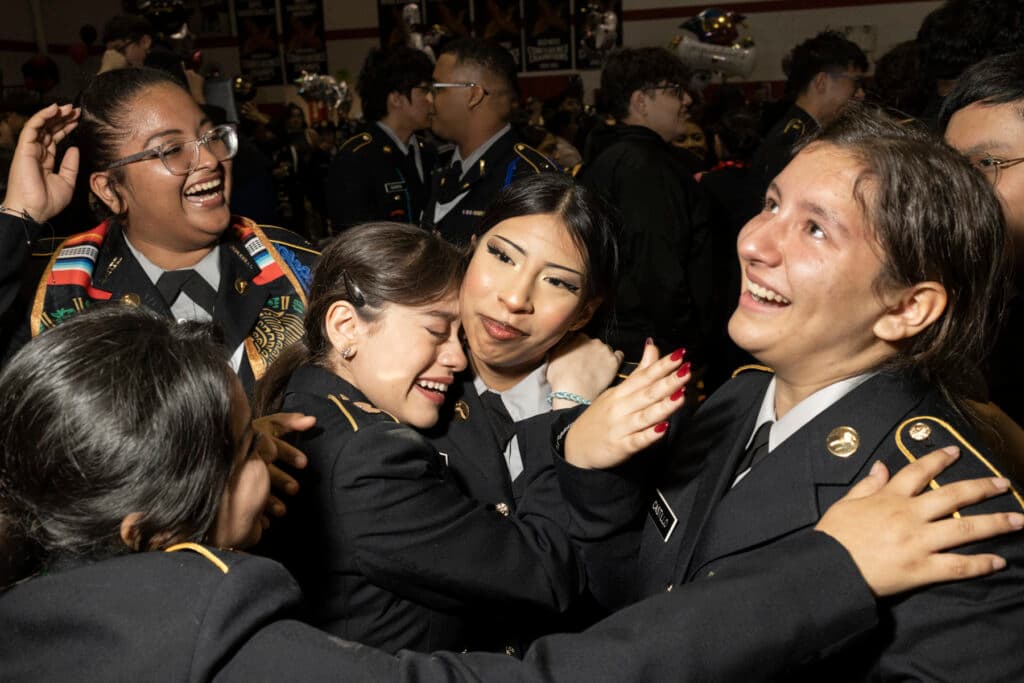
This photographic series documents the coming of age of students at Phoenix Military Academy in Chicago. The photographs show moments from their routines, social activities and daily lives. At Phoenix Military Academy students begin their days with military style formations and are given potential pathways towards careers in the military. Within the school the students have widely varying levels of interest in the military. The pictures show a pivotal time in life where students are newly forming their beliefs and individual lives outside of their homes. The uniform becomes a central symbol to the school’s philosophy that inner order leads to external order. How does this in turn influence or create tension with the tumult of teenage years? How does our upbringing produce our country?

Brian Herrera & Frederick Douglass Academy High School

Click photo to enlarge

Click photo to enlarge

“The Art of Photography,” by Nyia Sissac 

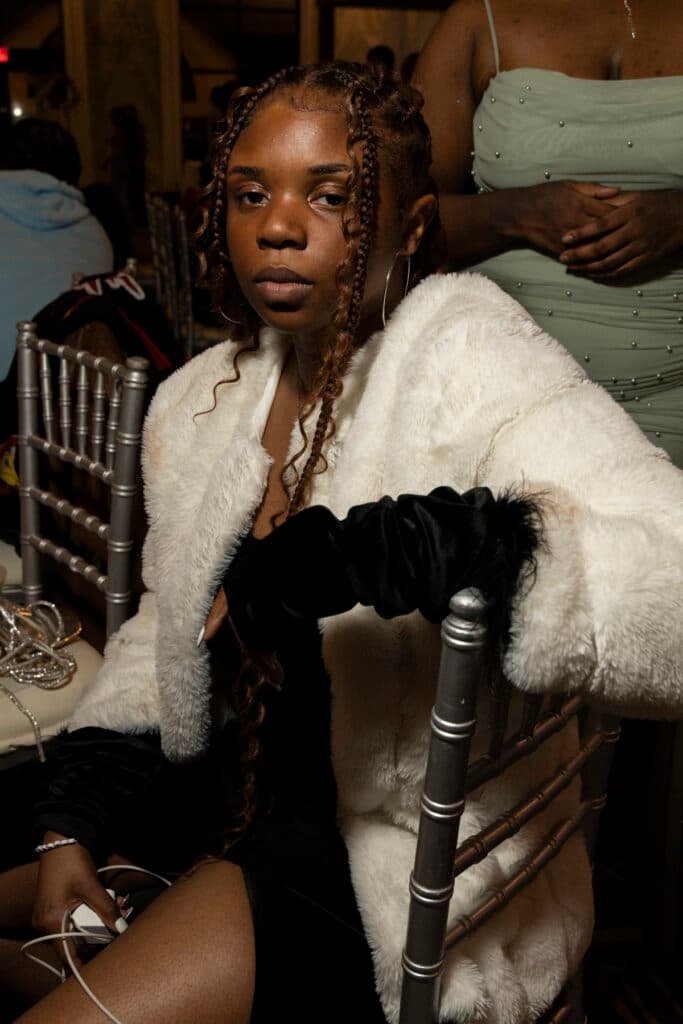
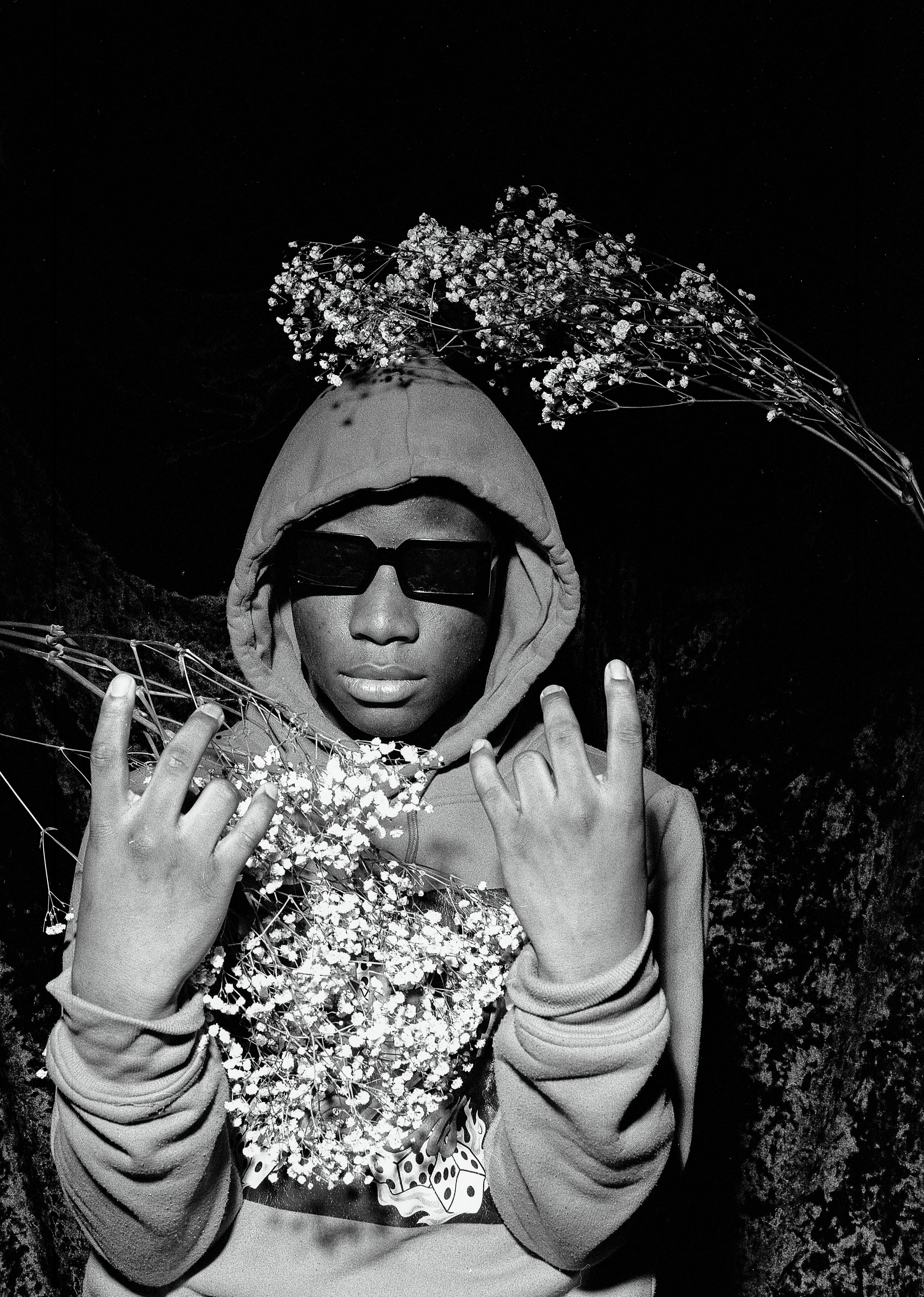
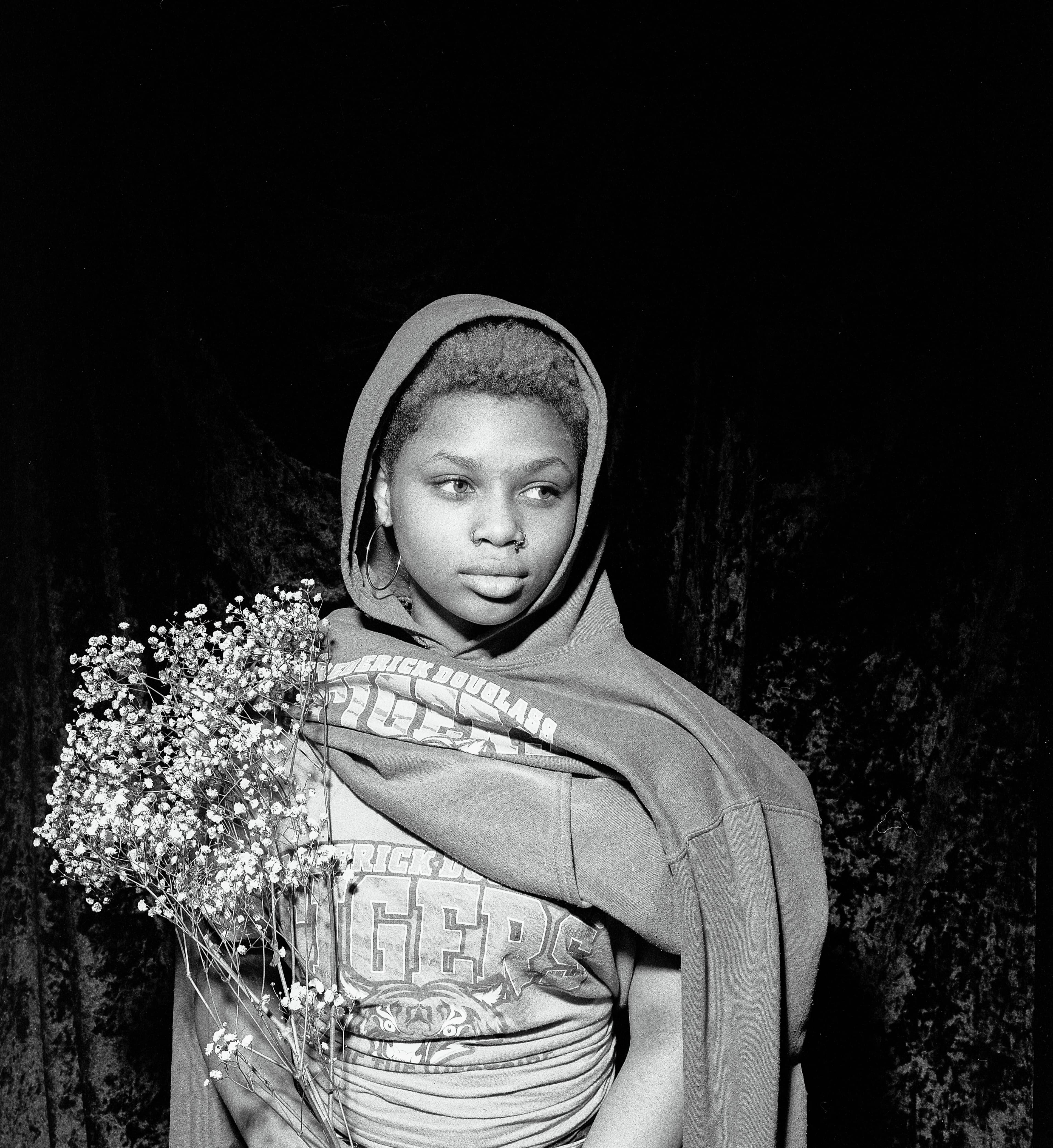
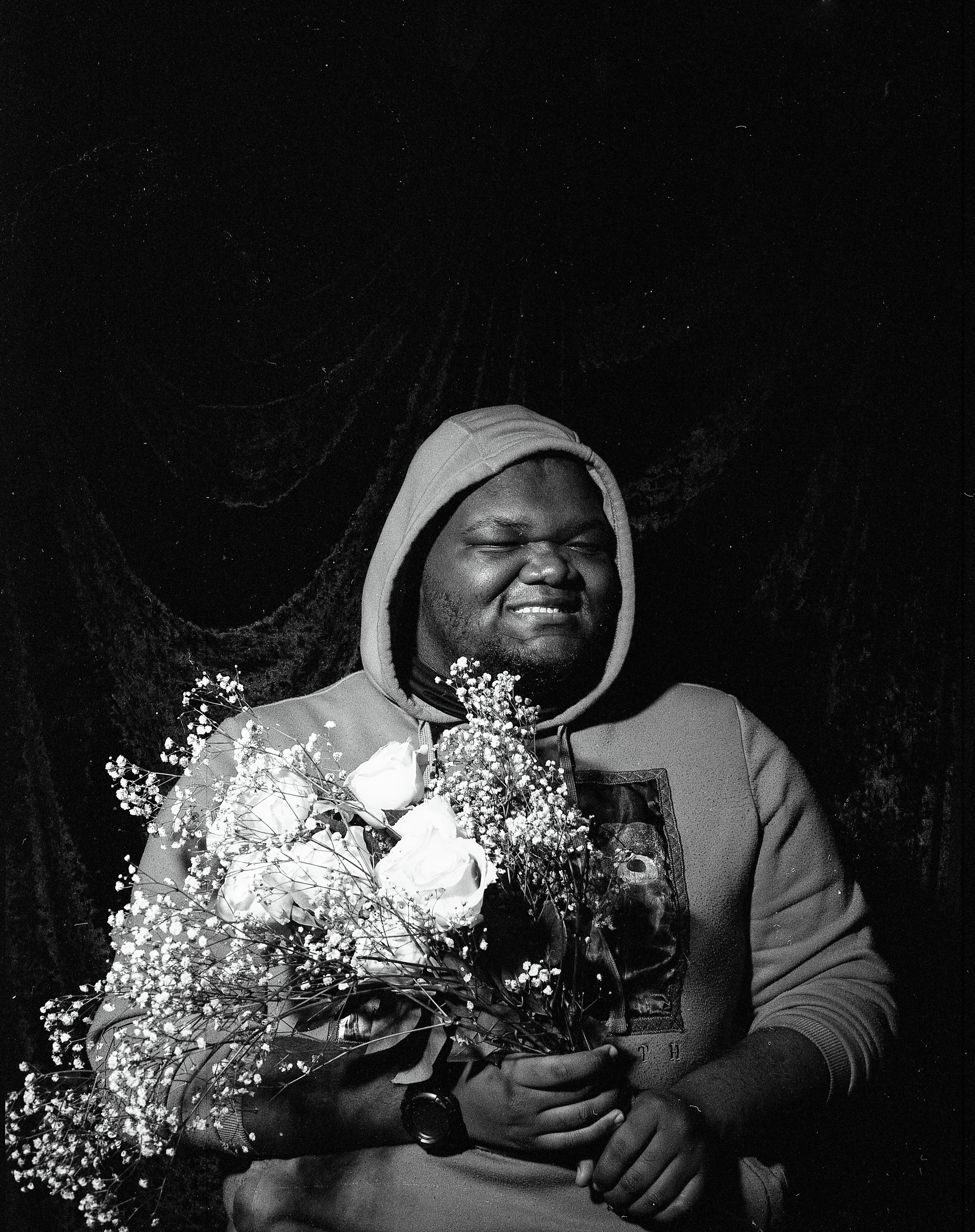
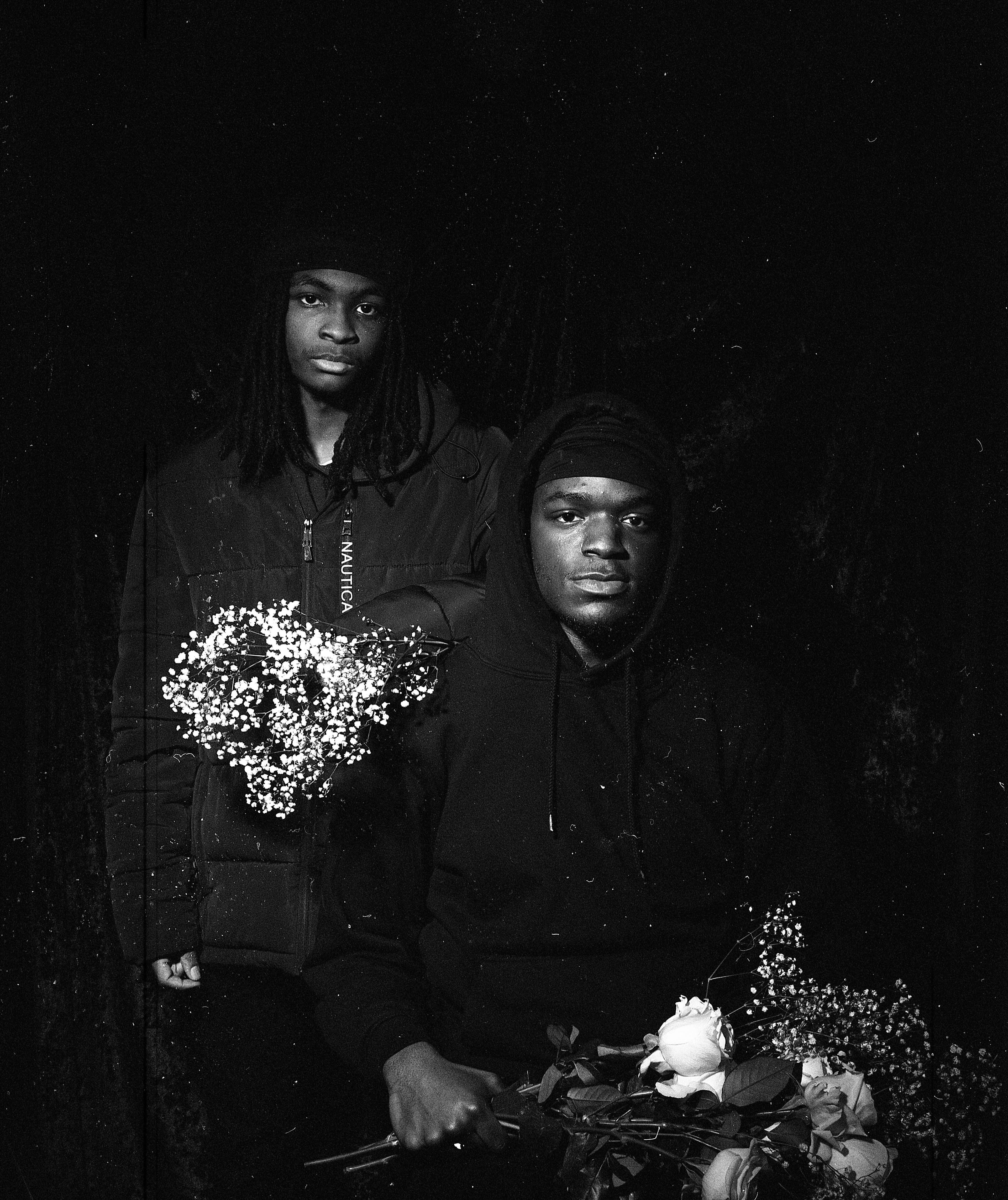
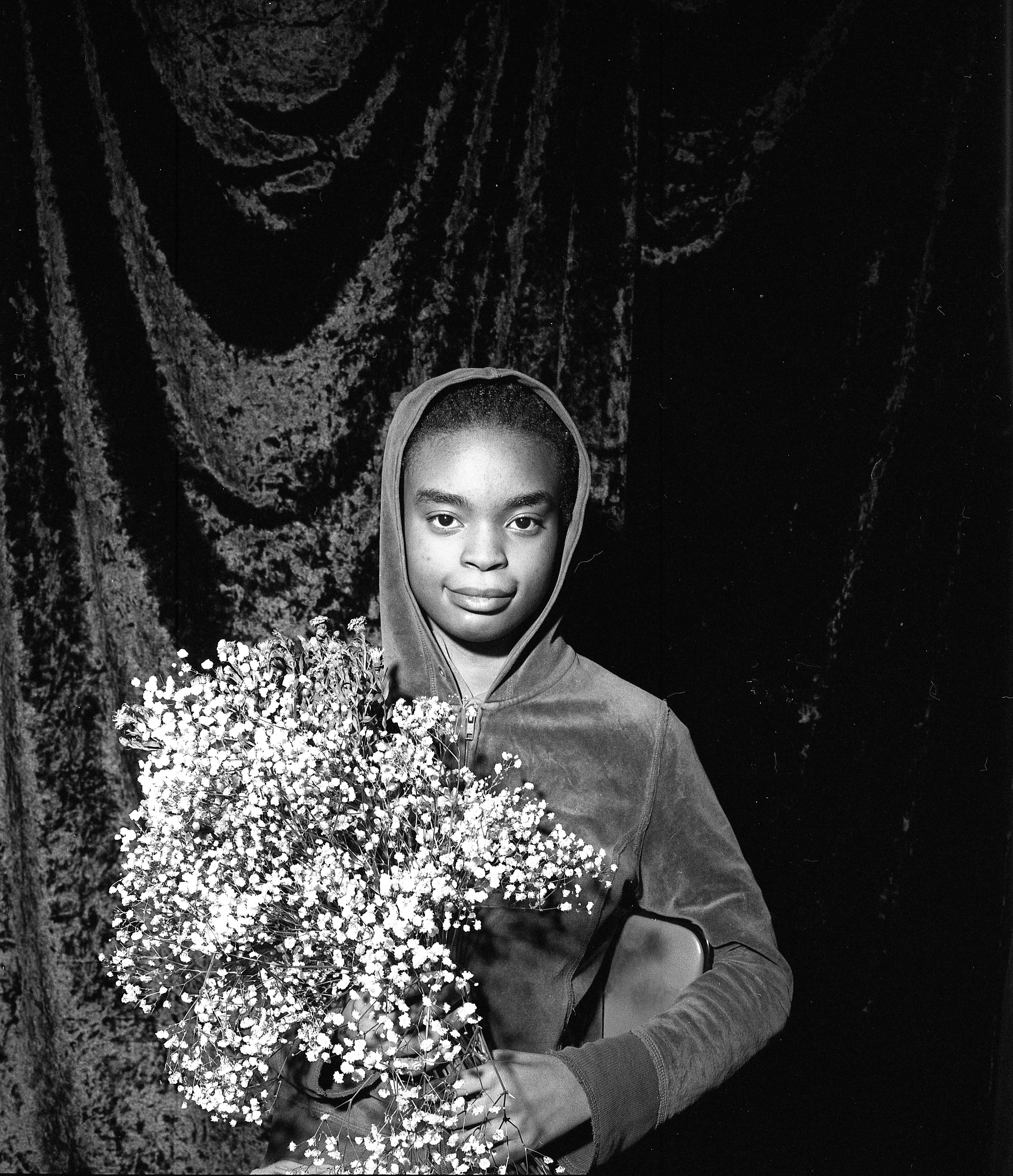
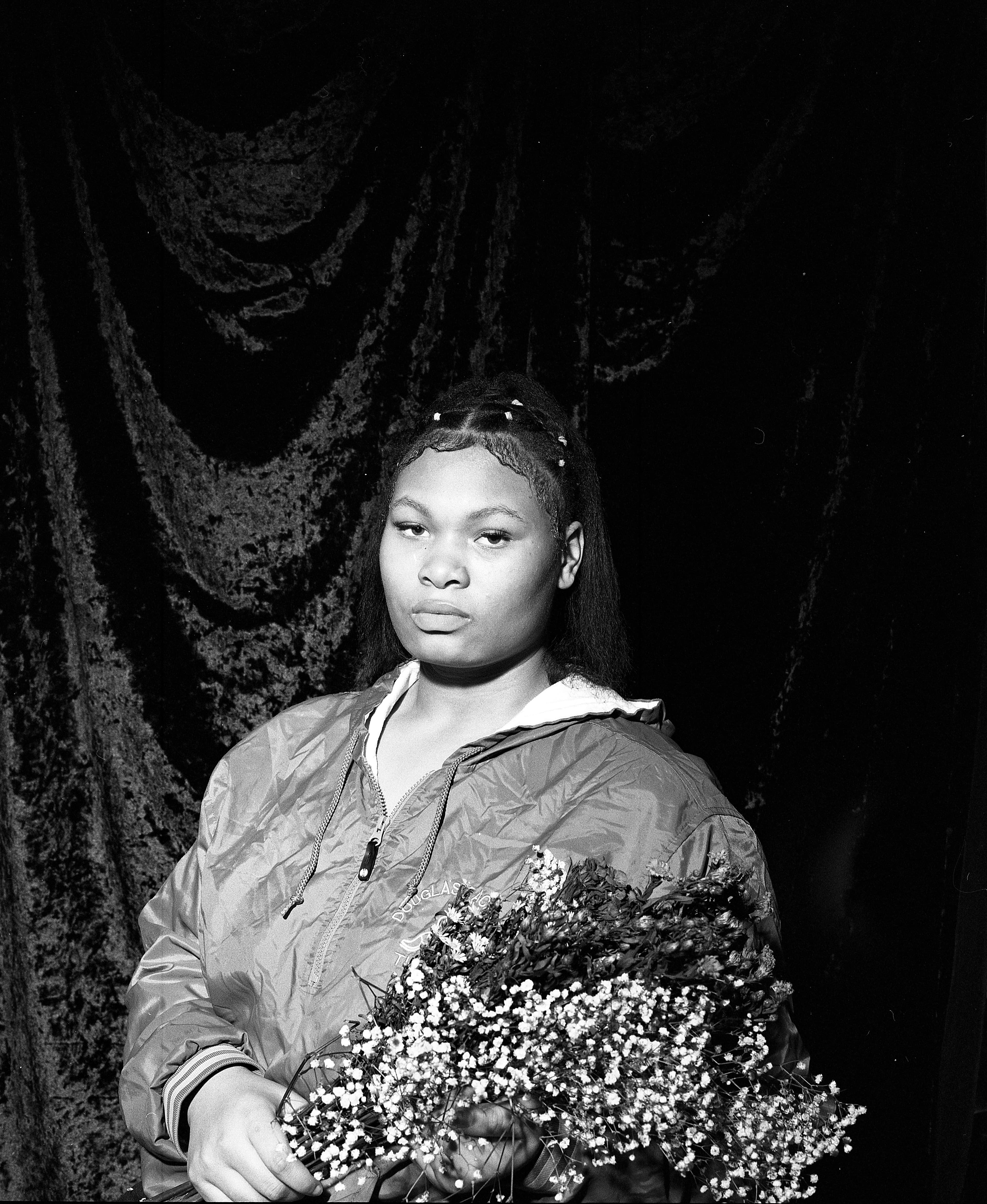
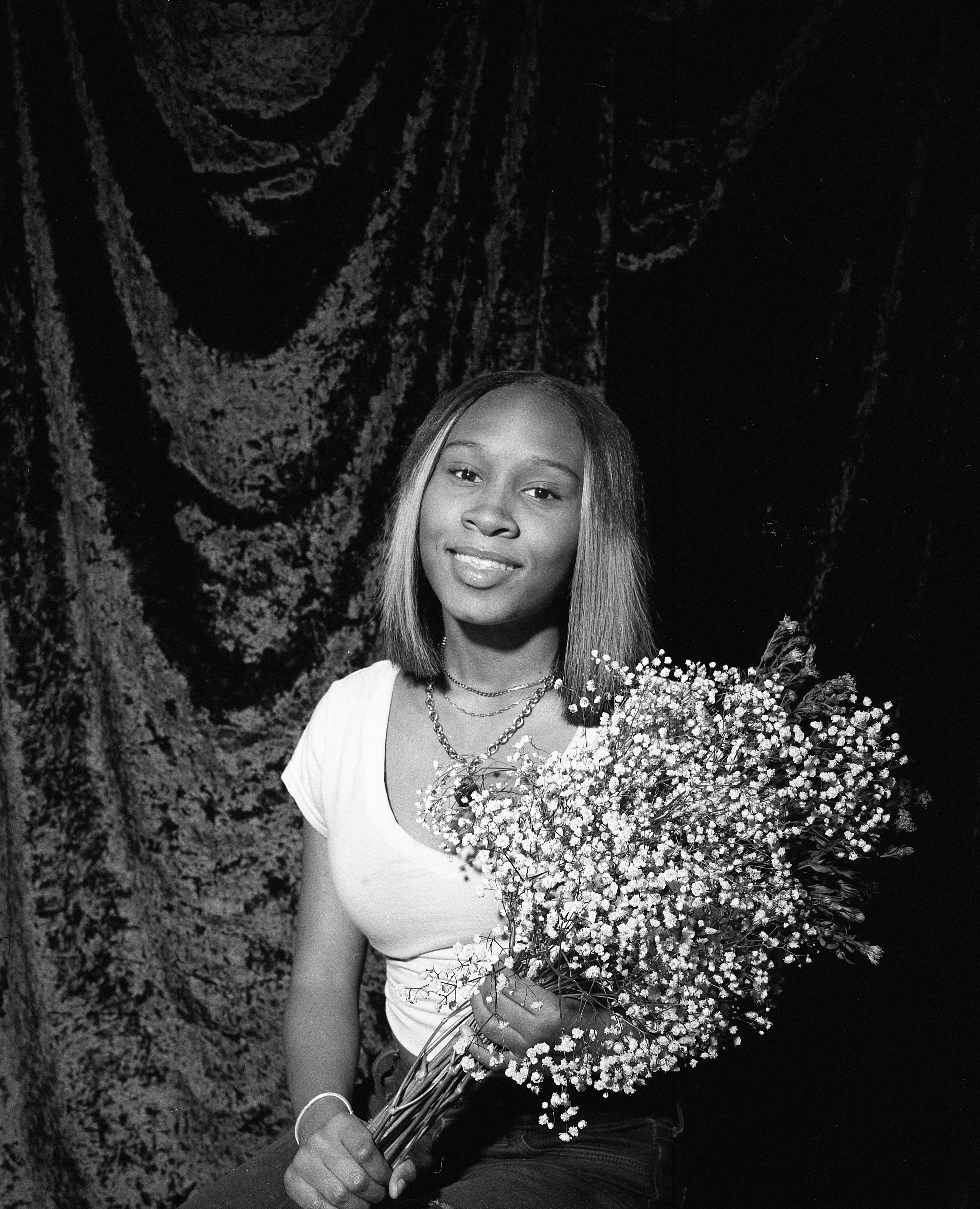
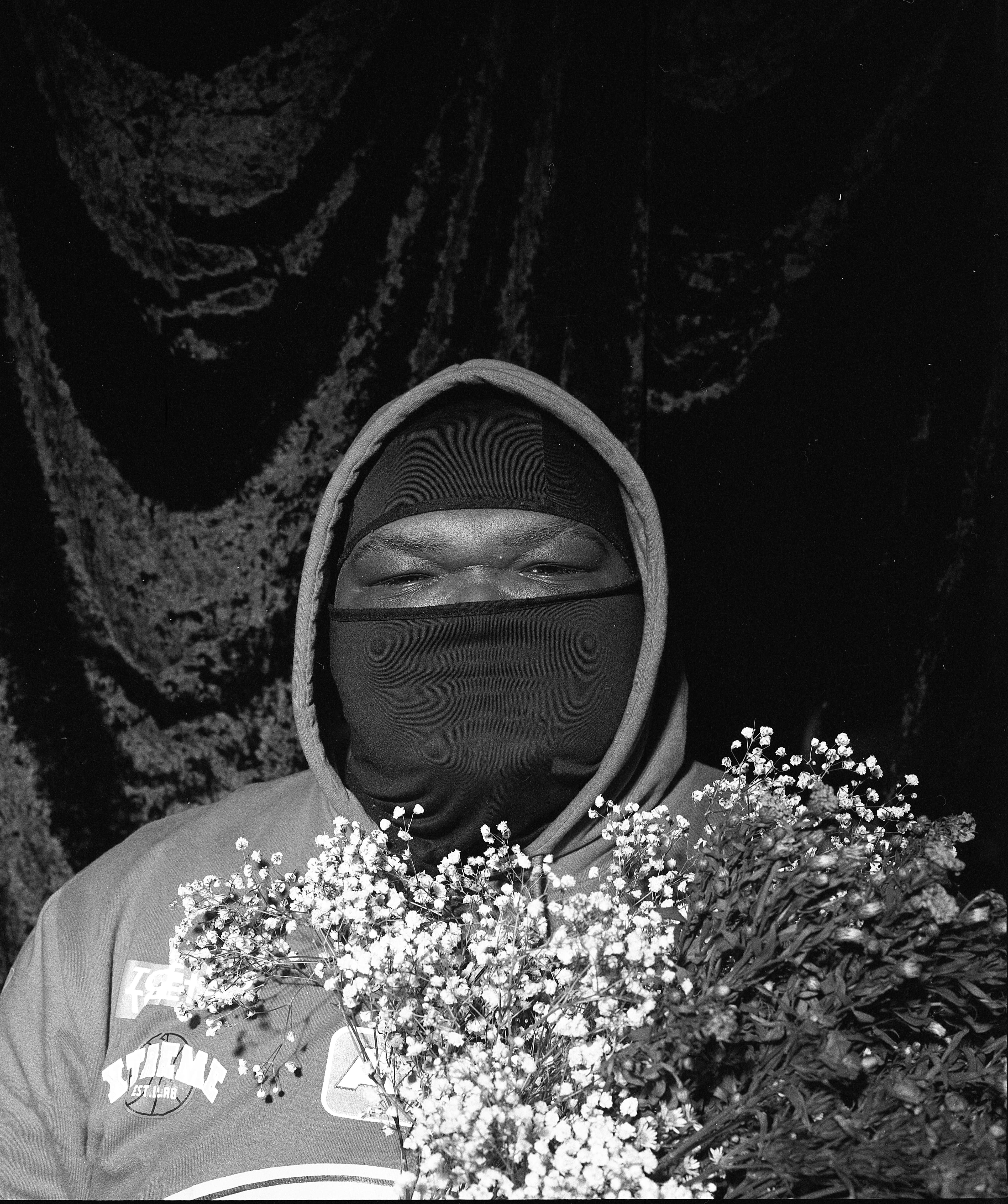
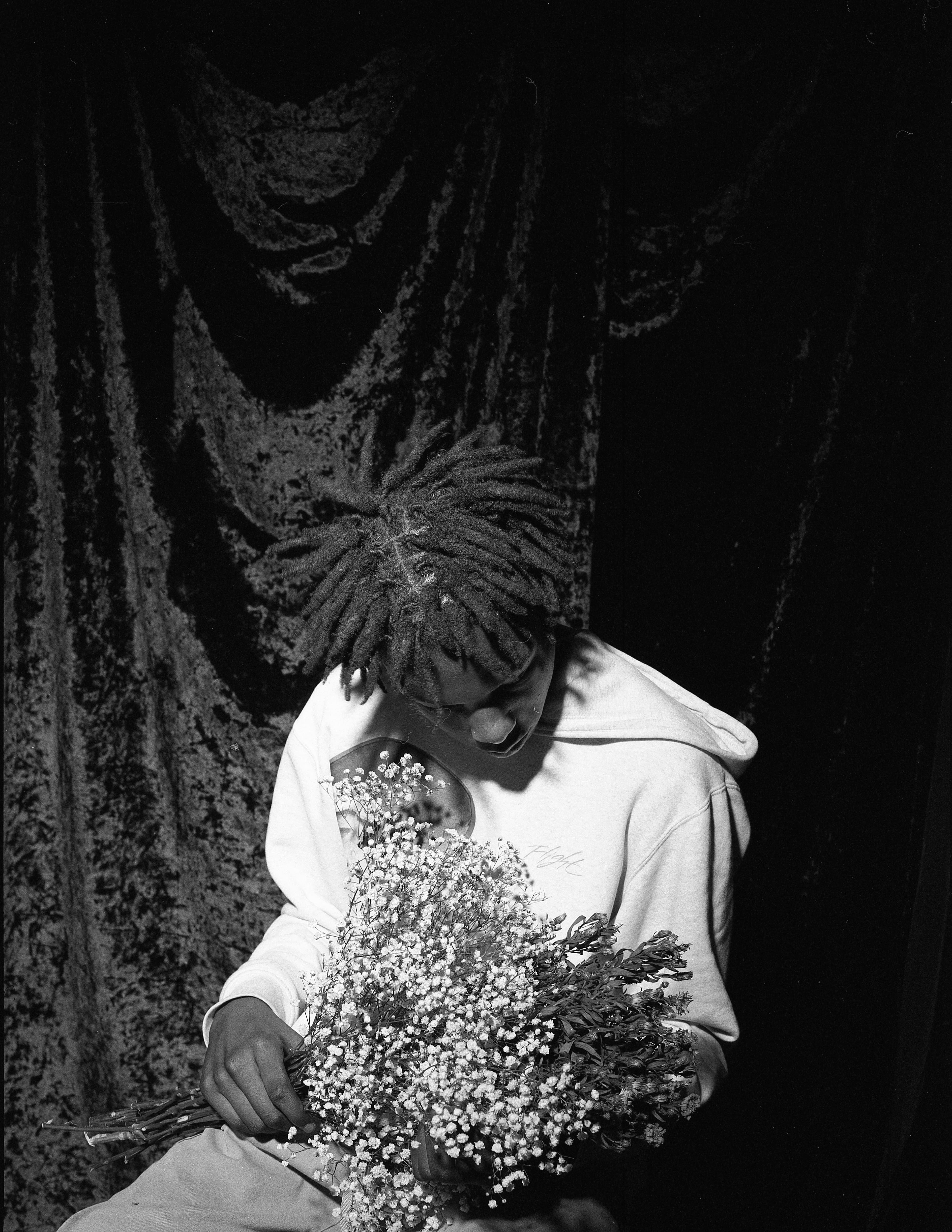
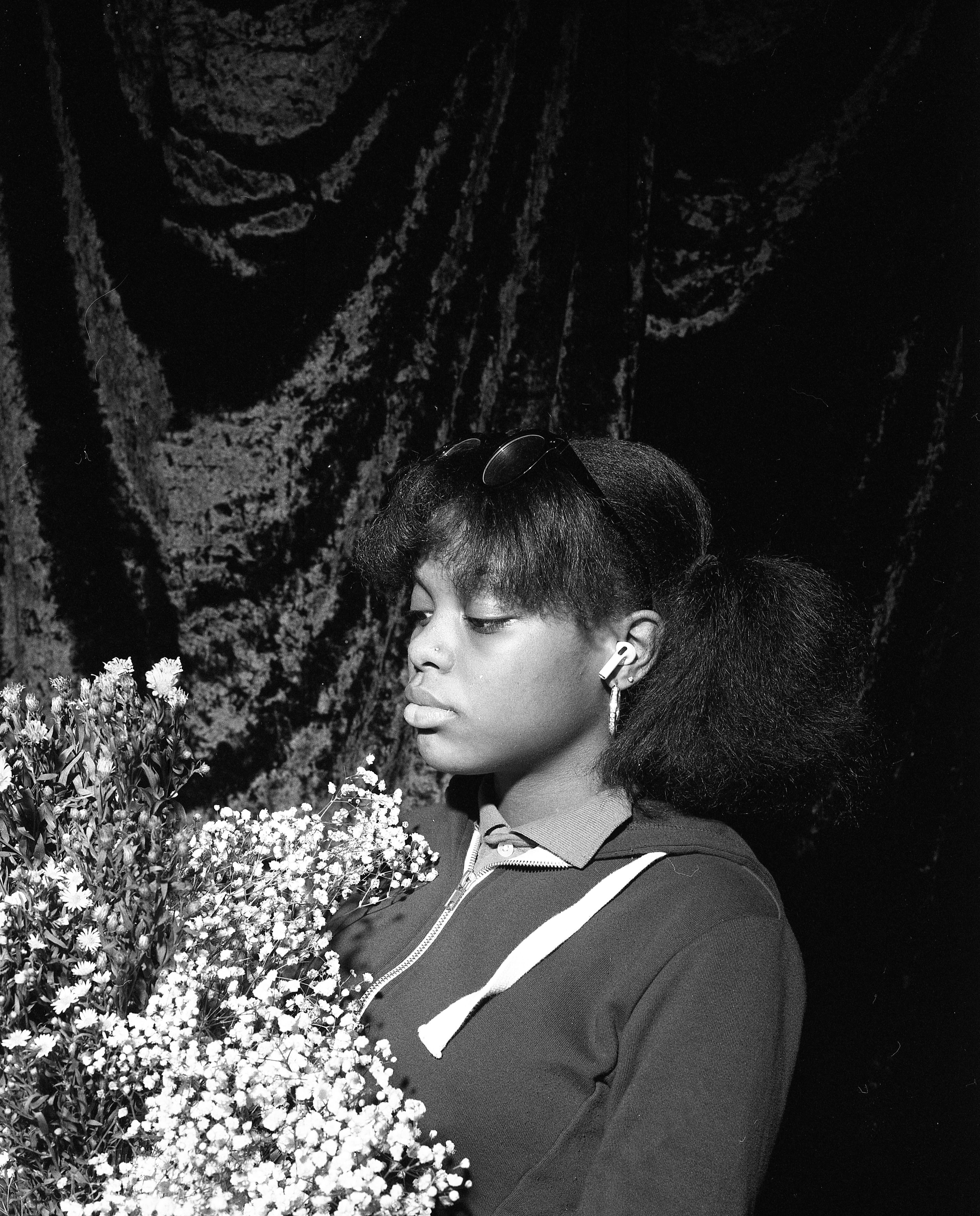
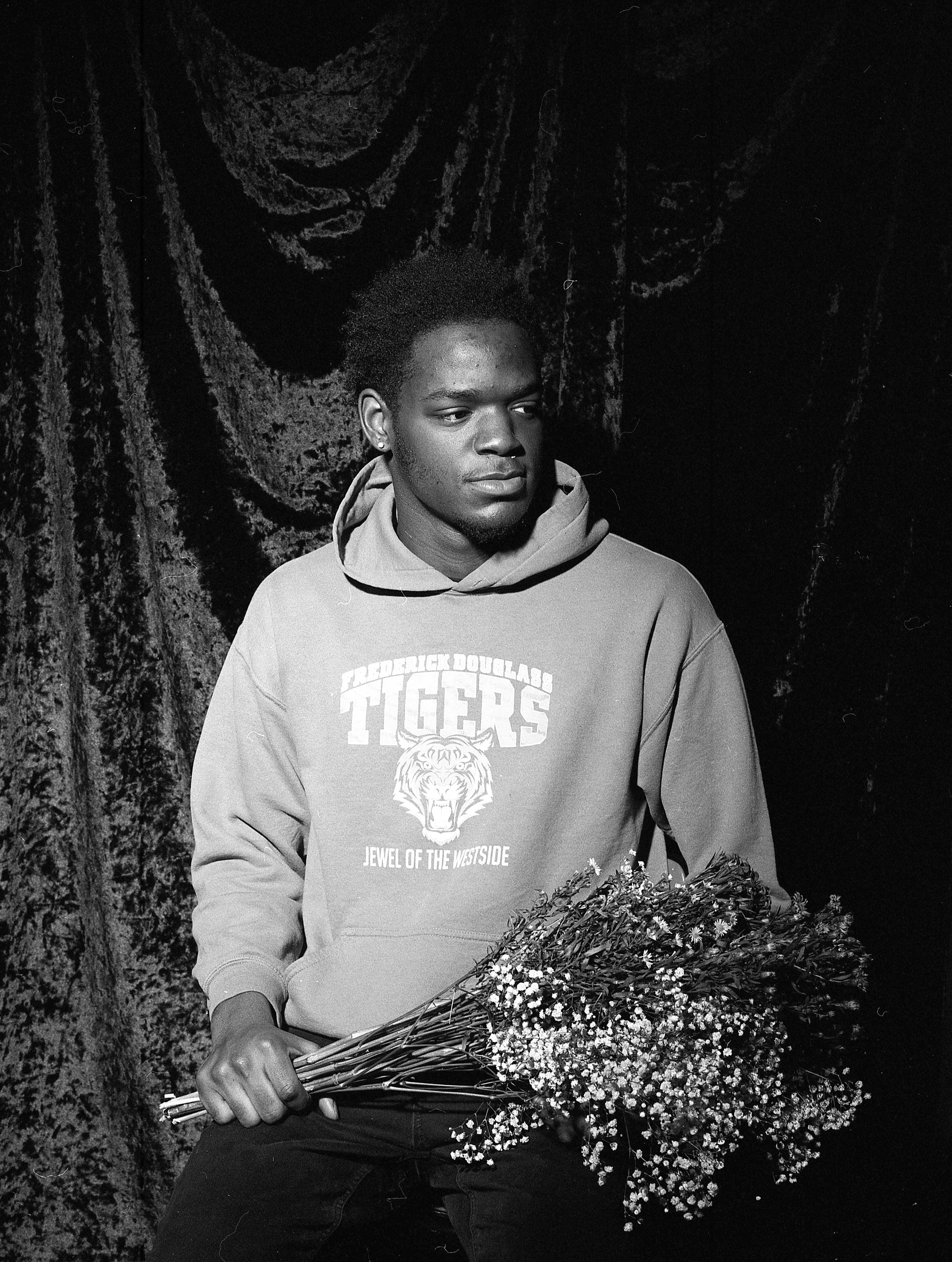
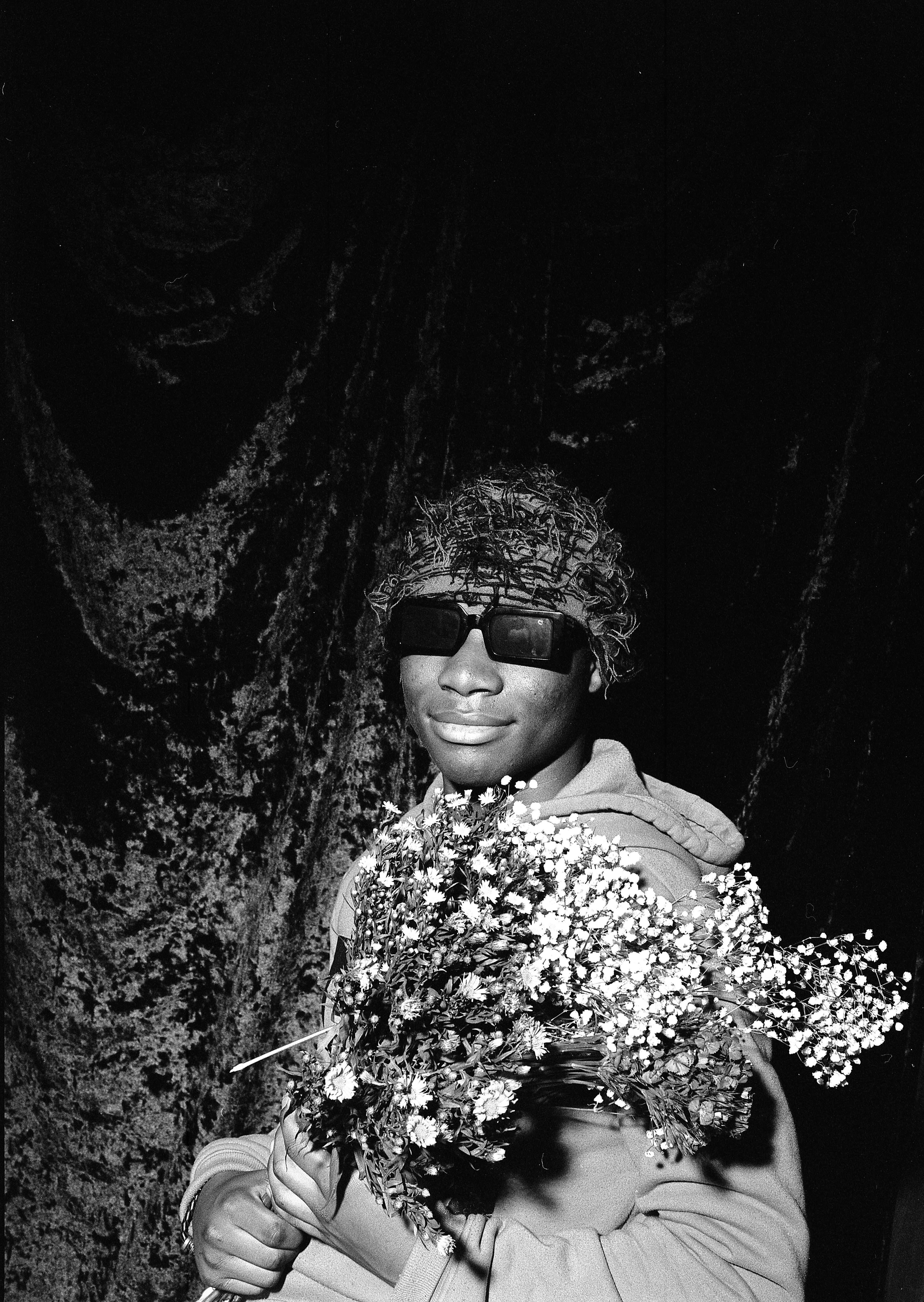
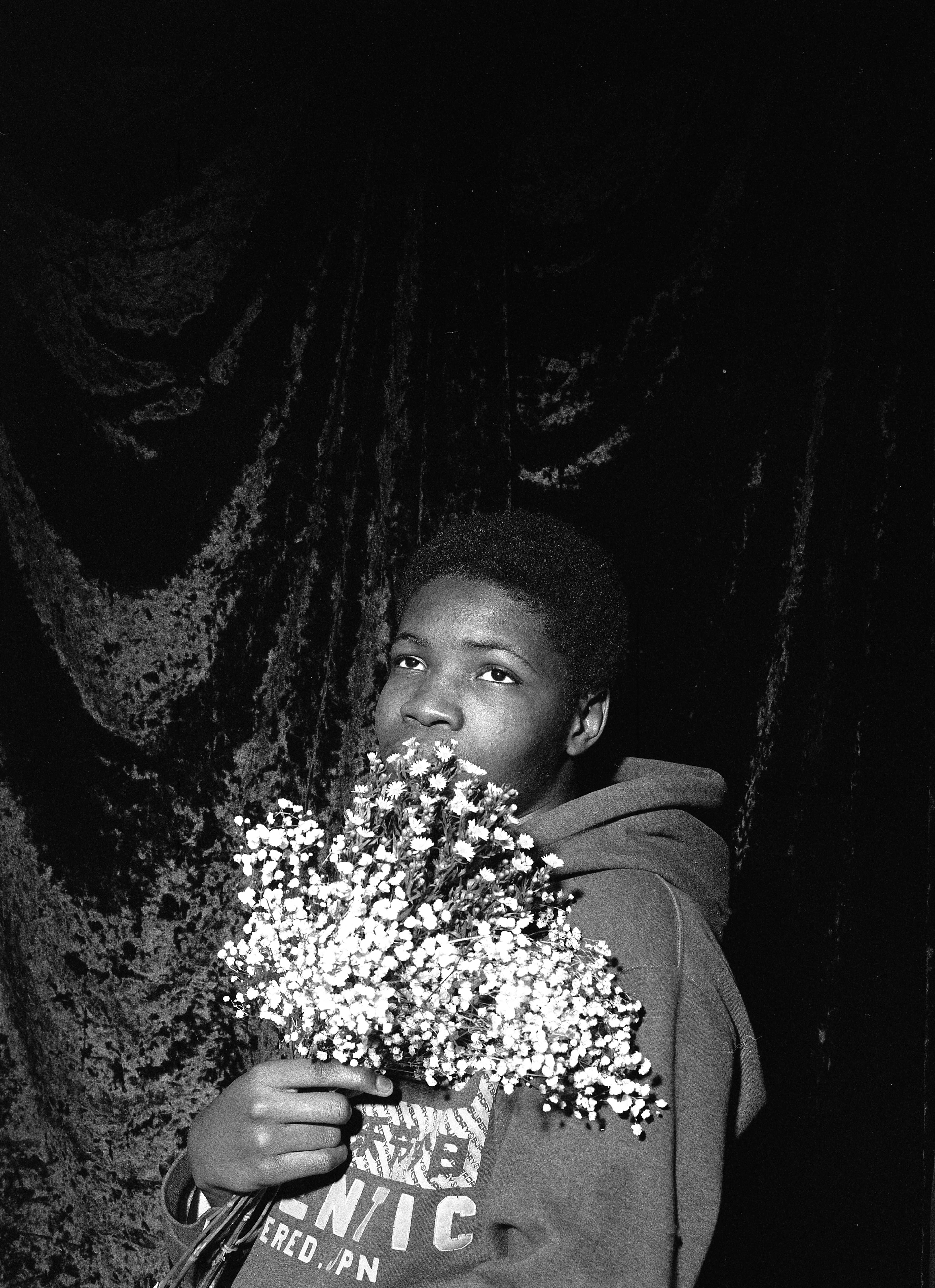
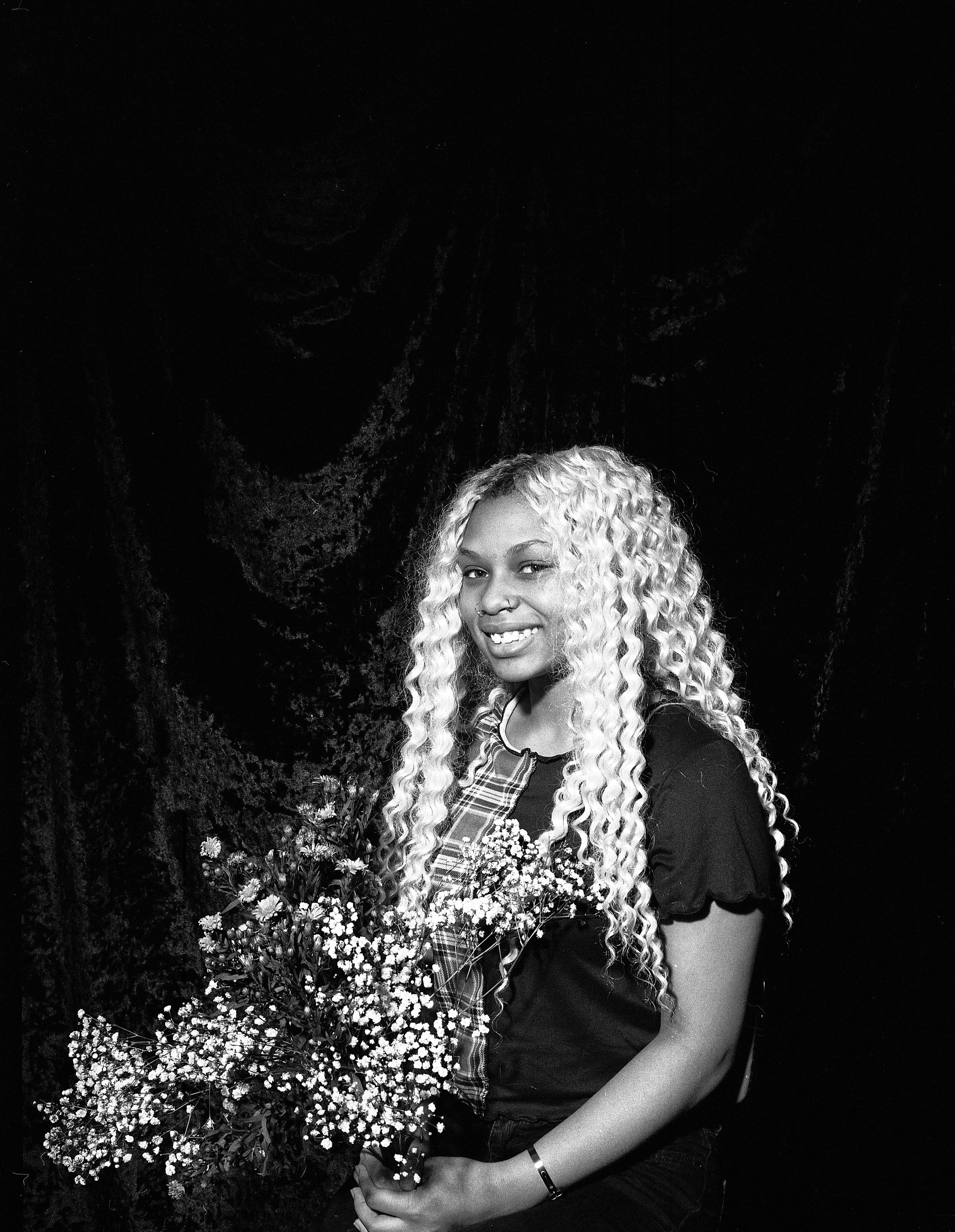
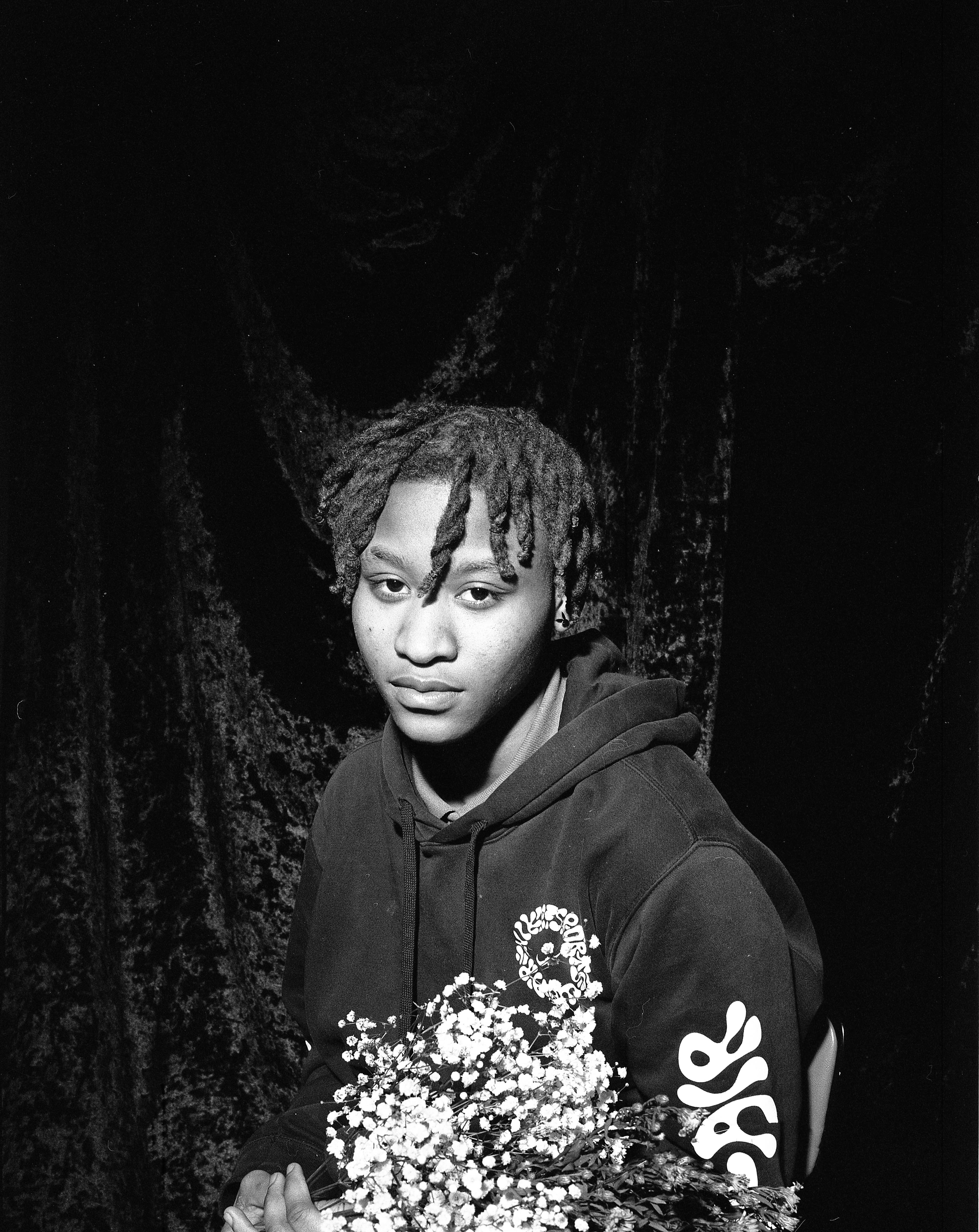
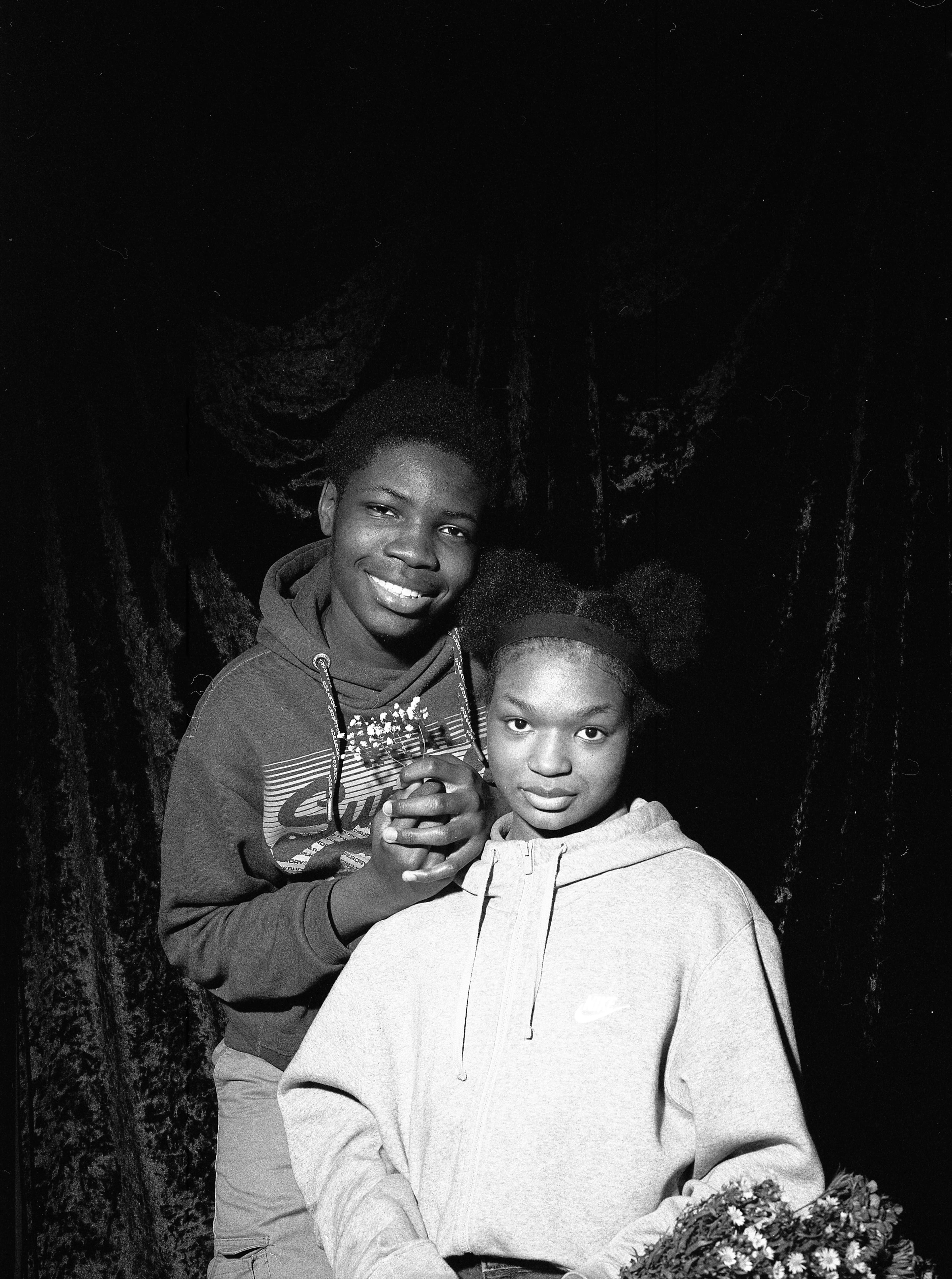
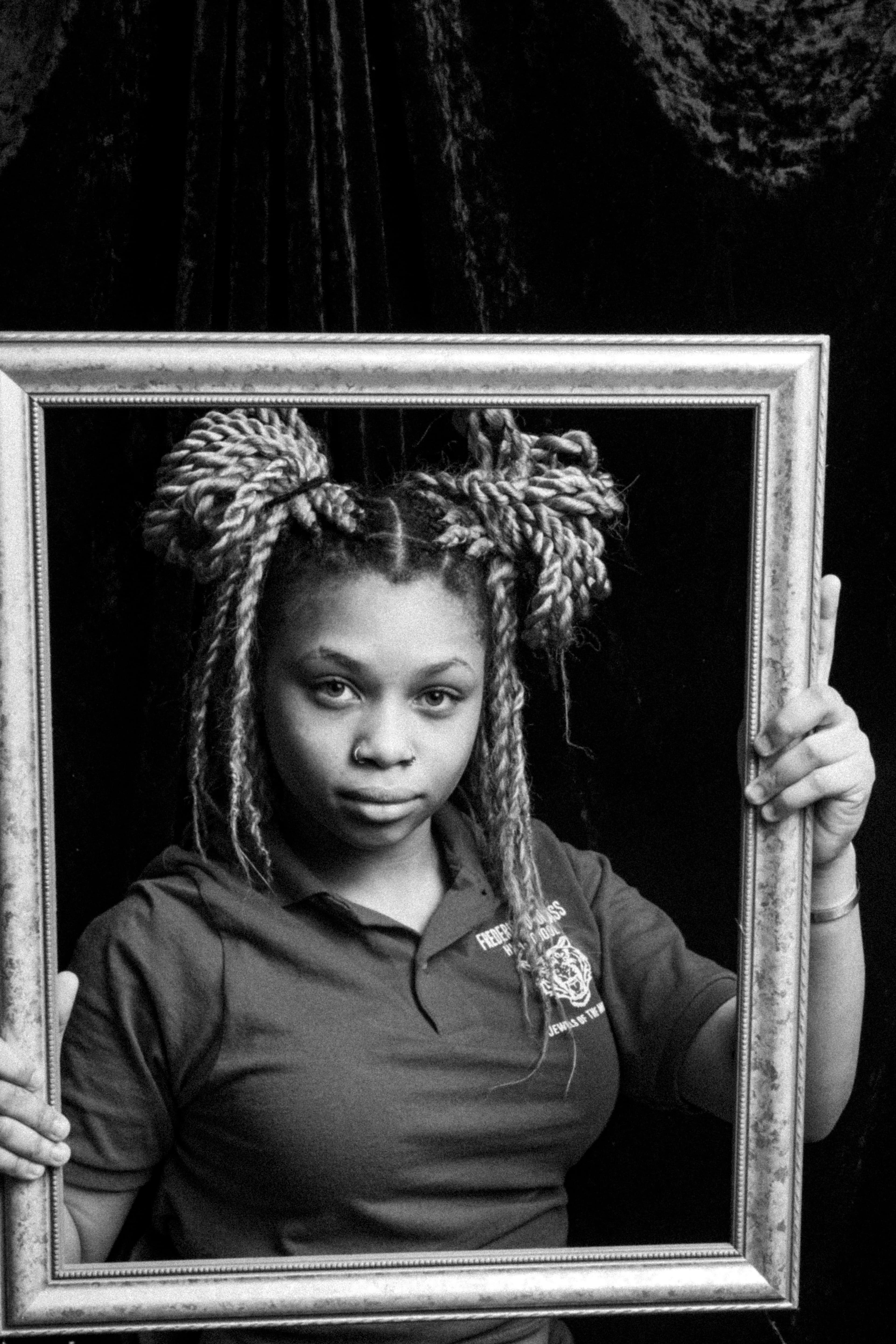
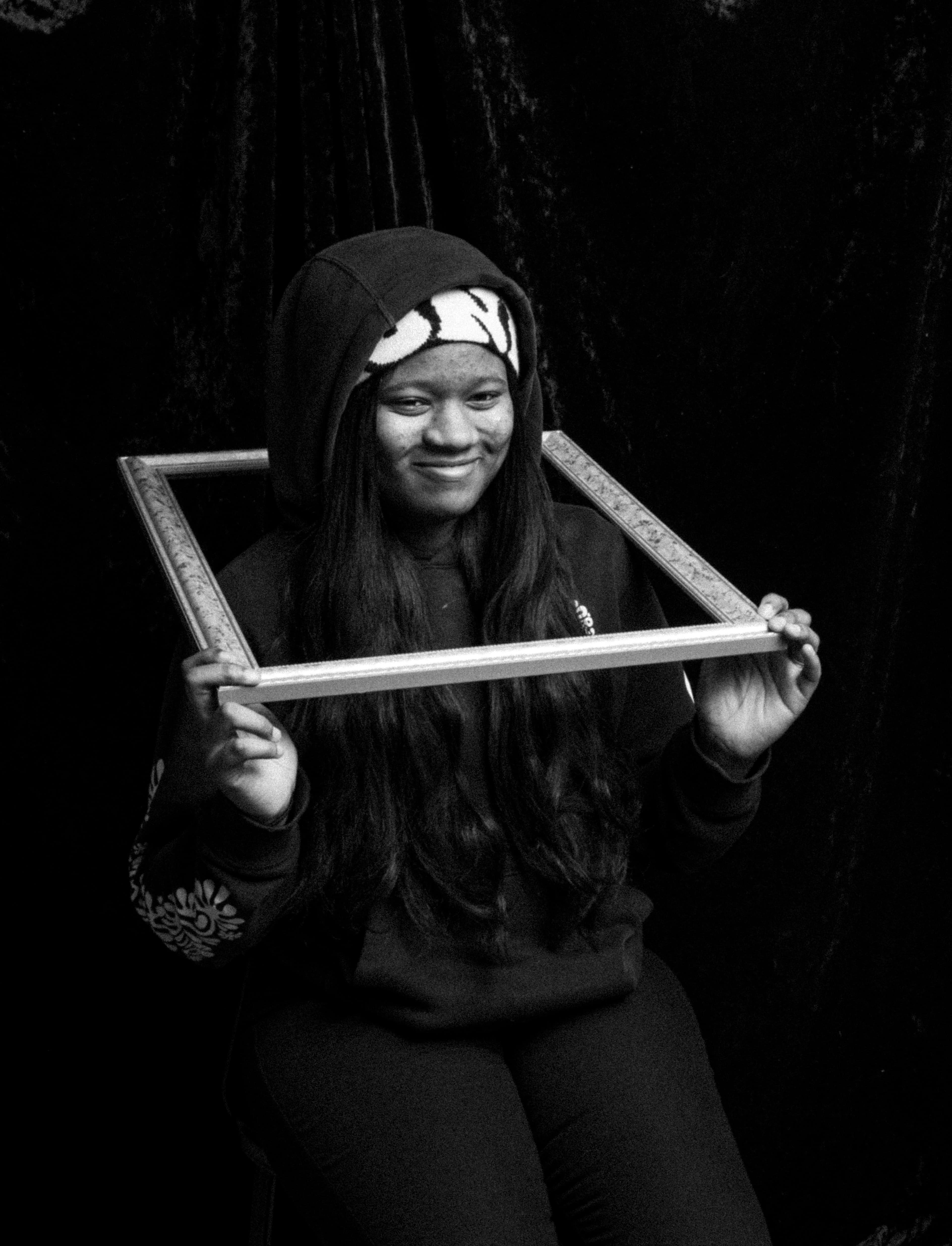
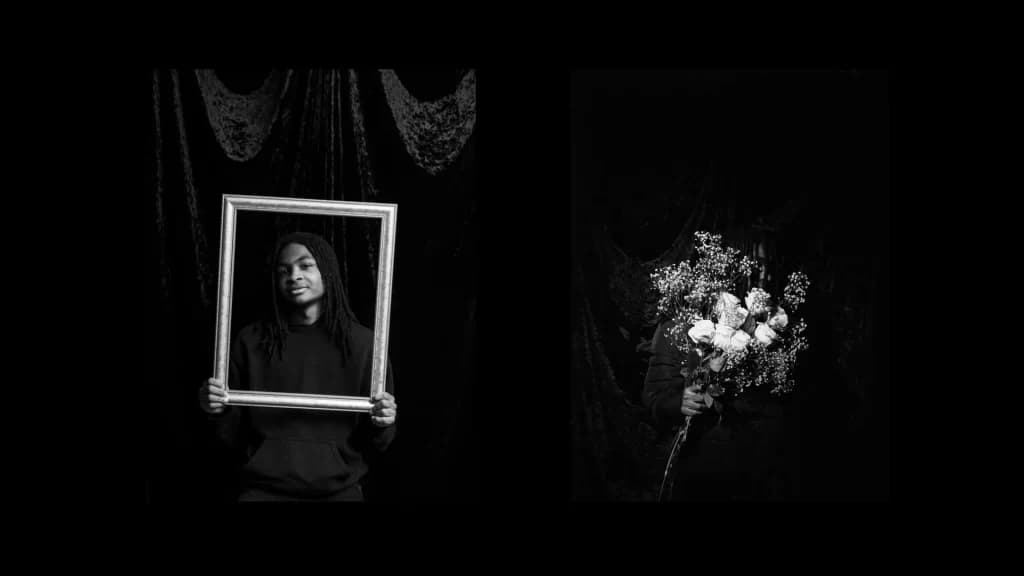
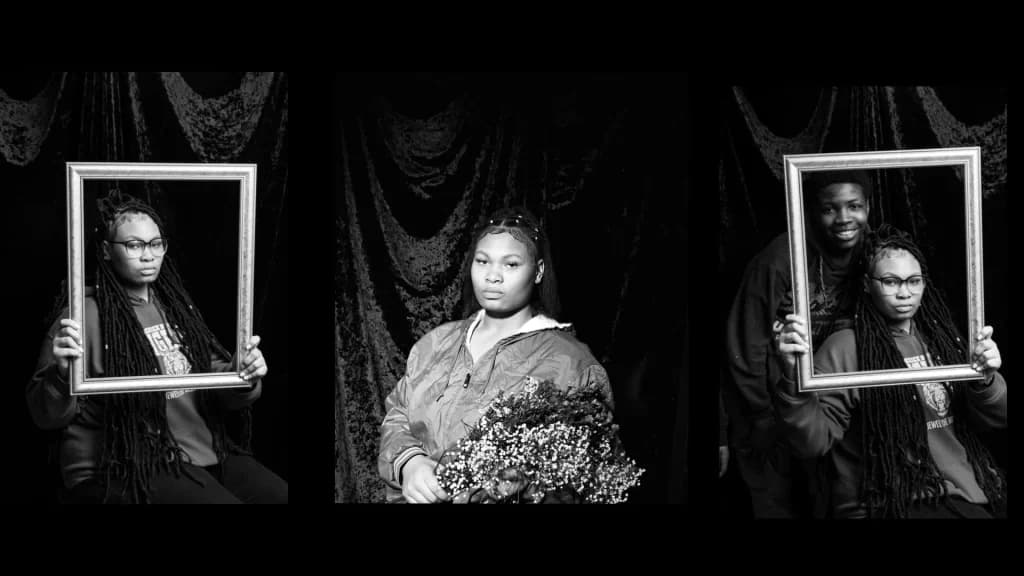
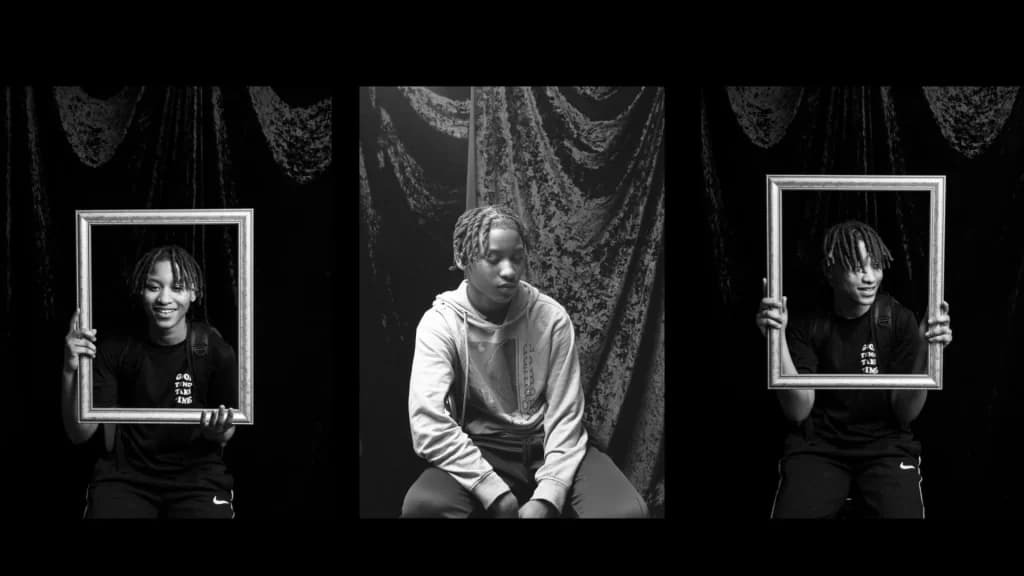
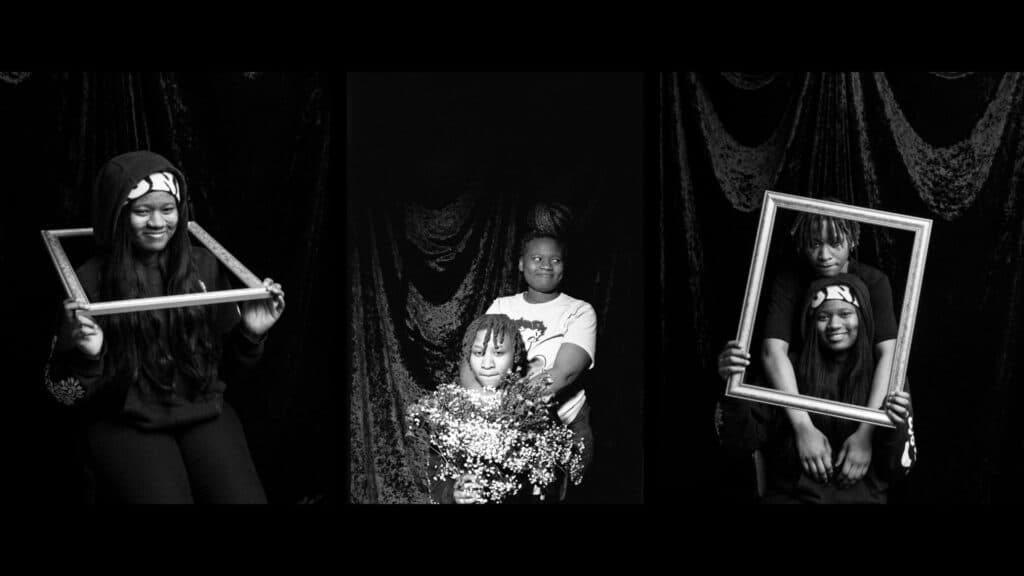
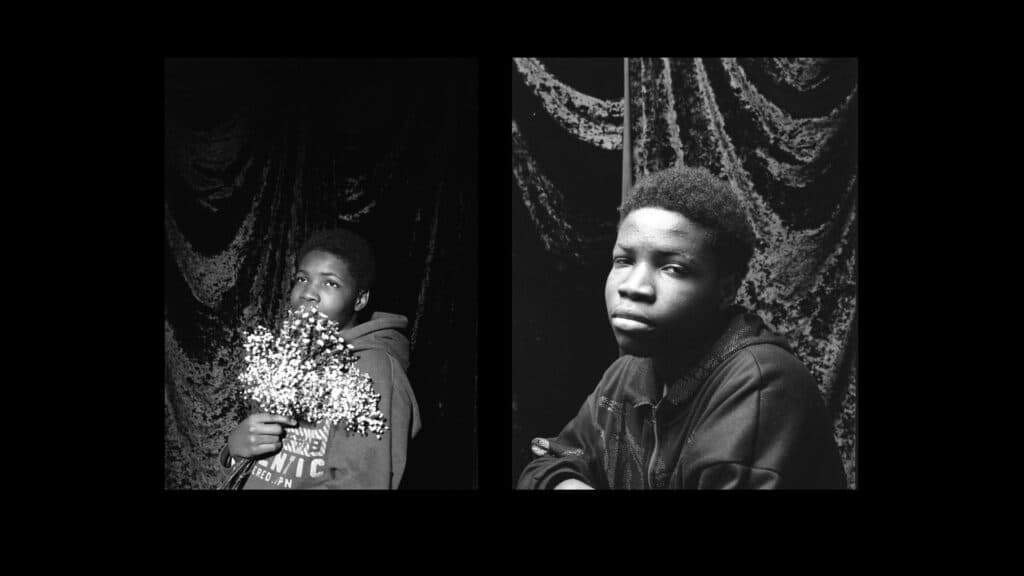
During the third and fourth quarter of the Chicago Public School academic year, I planned on building an understanding with students on the importance of the word legacy. But as I continued through my eleven week program I realized that the students needed to focus on the word vulnerability. Starting from January until March I taught the students what it means to be vulnerable. What it means to accept themselves but also reflect themselves as the people they are becoming.Though journaling practices I taught the children how to open up, express and empower their feelings. Still touching on generational legacy the journaling allowed them to build themselves not only in the classroom but outside of it as well. With the journaling practices I saw the children become more aware of themselves, more talkative, and more prepared to create unique images, that were and are still strong to provide a story without much explanation. 

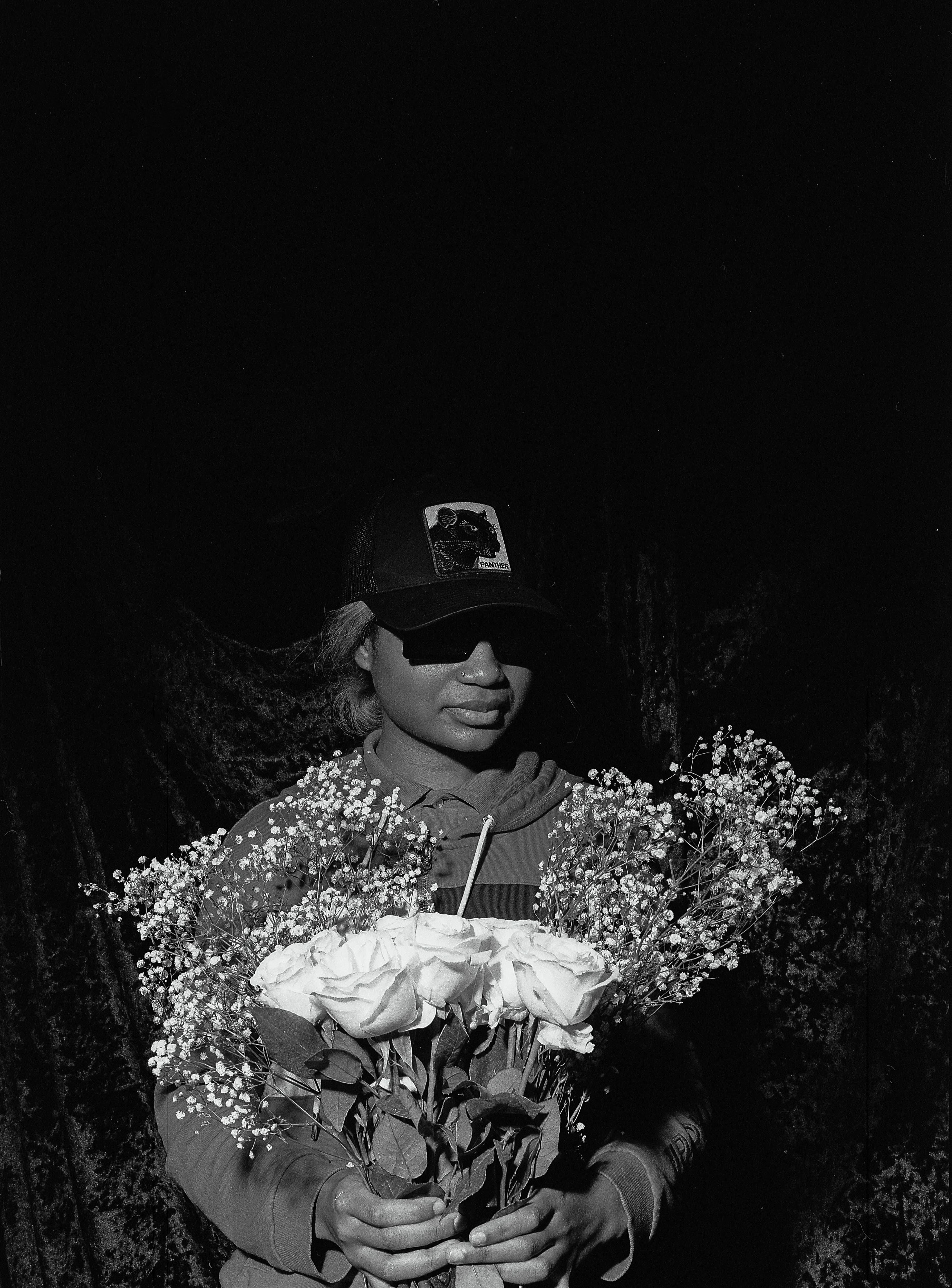
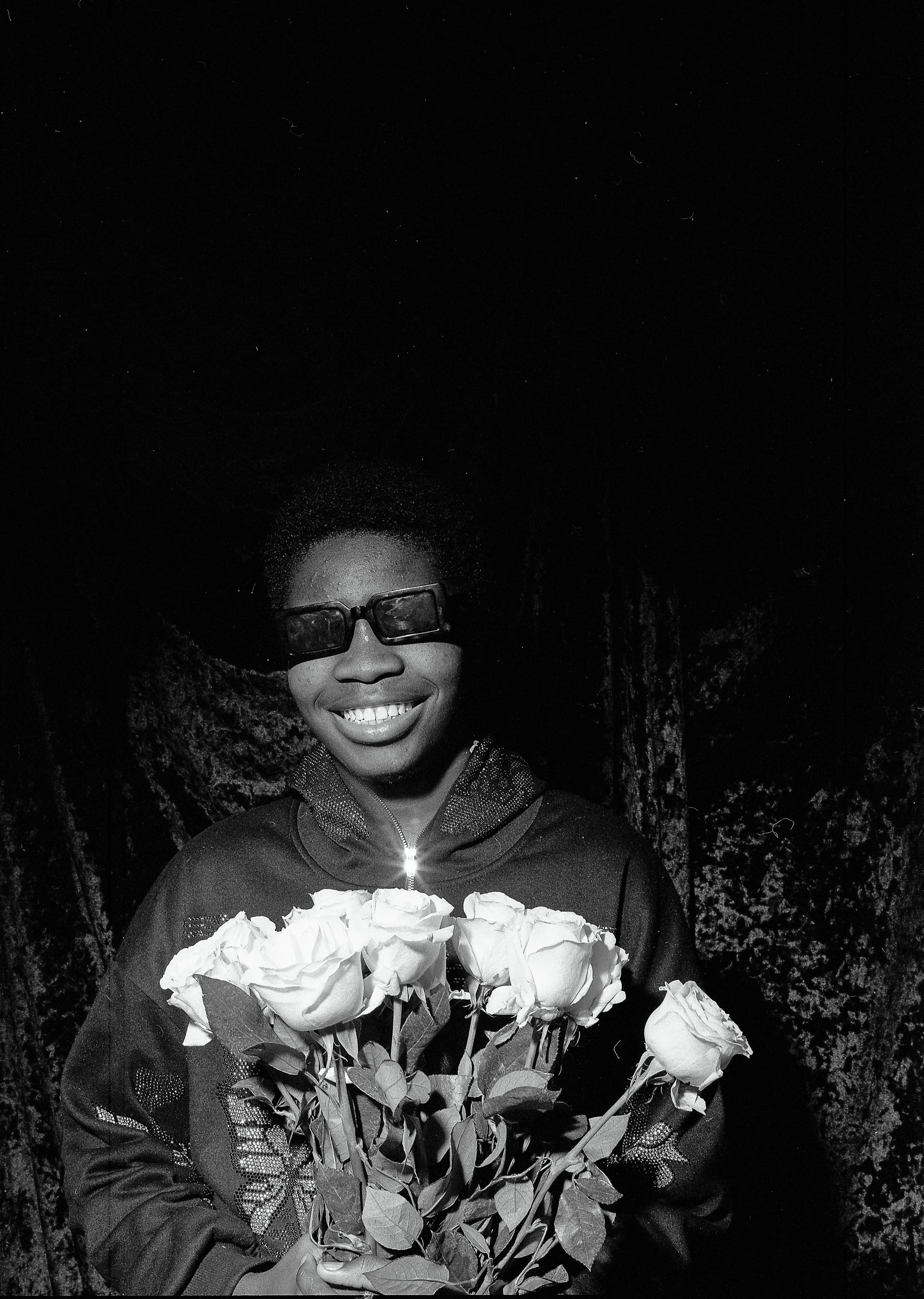
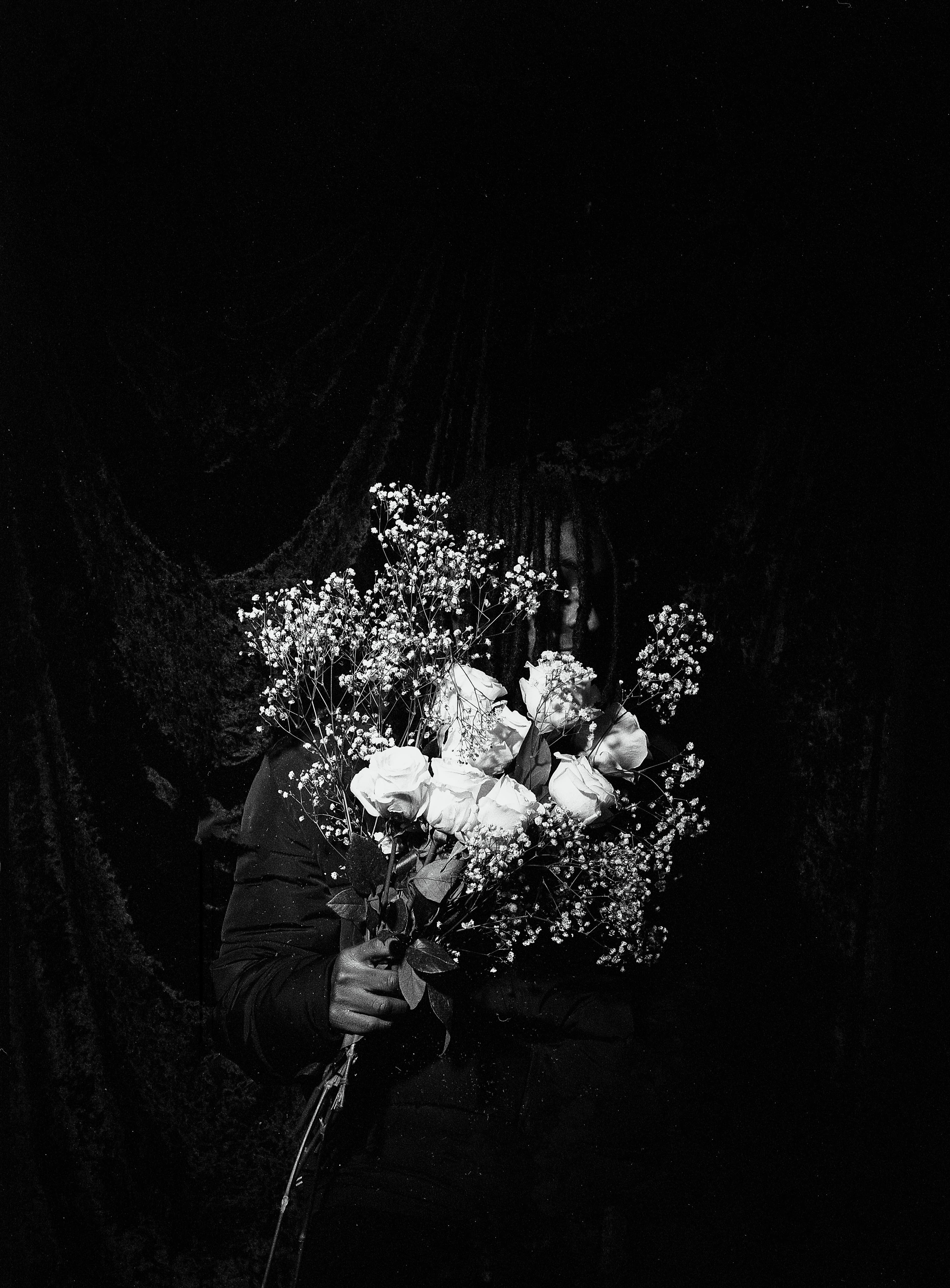
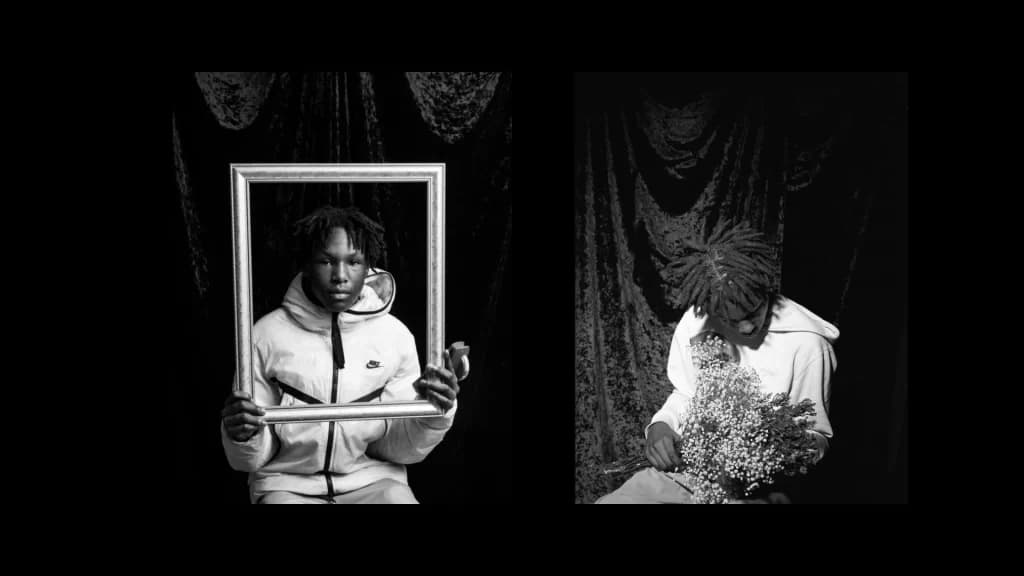
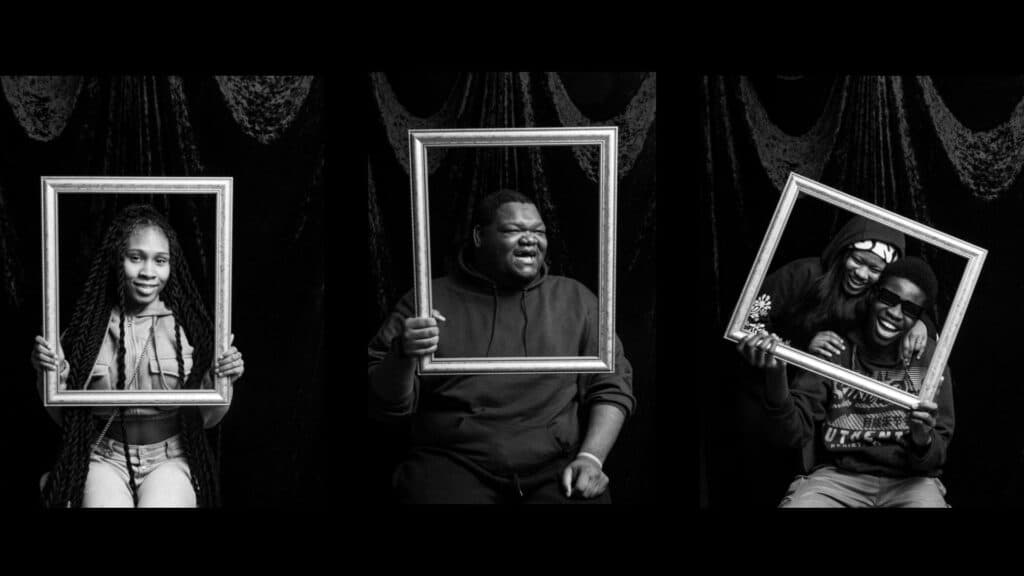
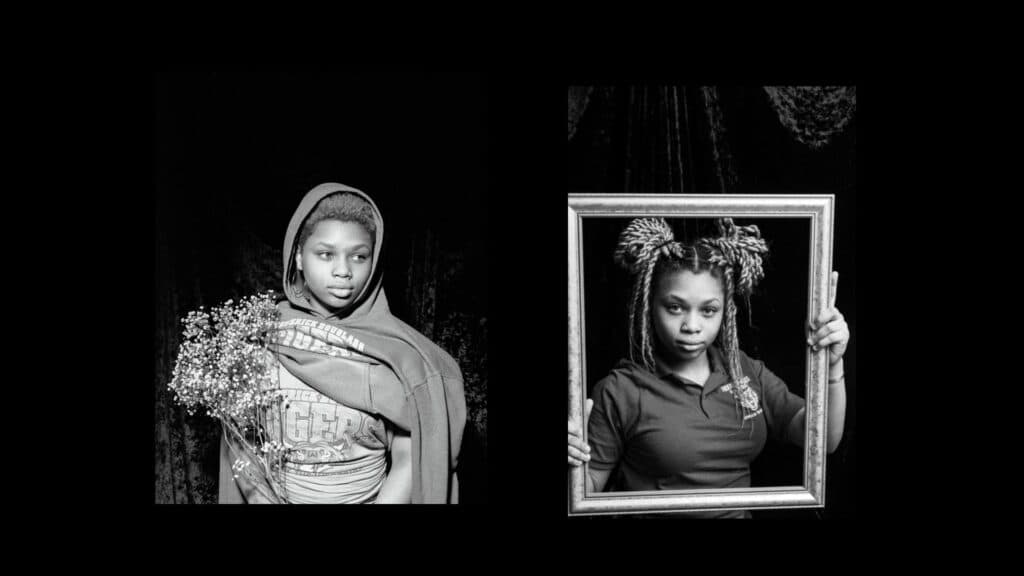
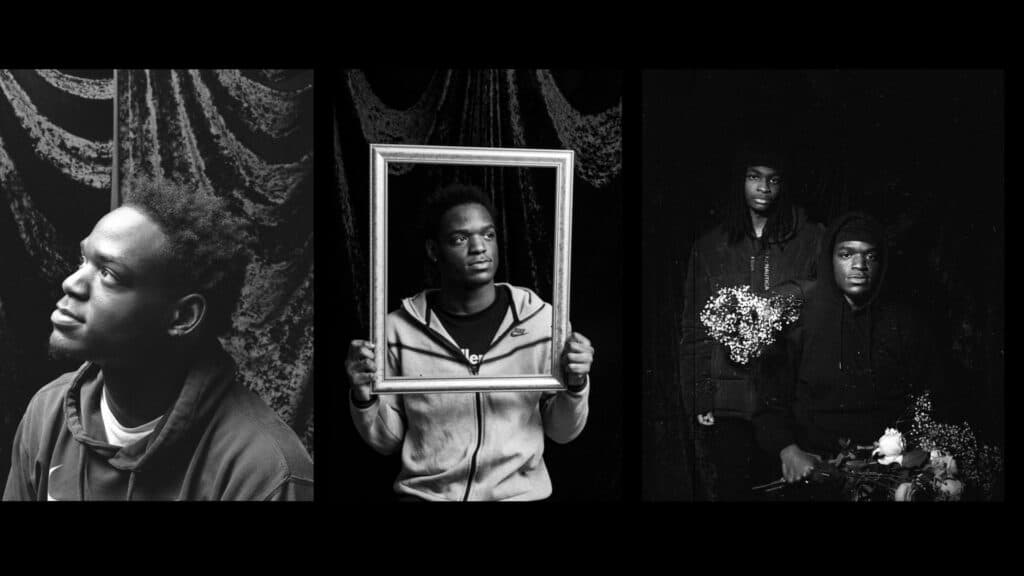
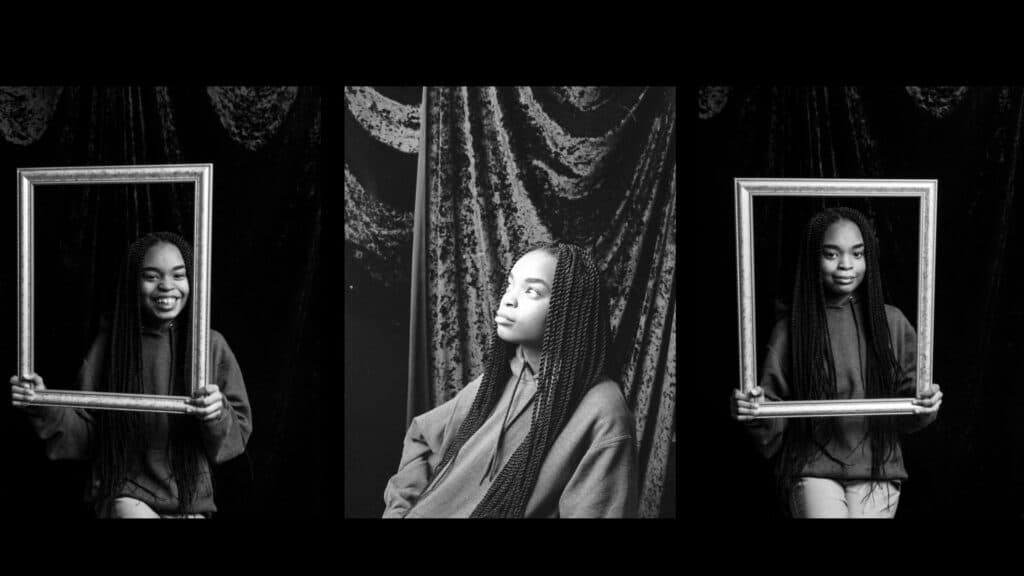
Collaborating with Frederick Douglass High School, allowed me to be creatively free while also becoming somewhat of a teacher. Teaching the students the basics about the camera, photography history, and how to pose and frame themselves in an image. For the first half of the program (about 7 weeks into the program) I photographed the students on medium format Black and White film. Through this process we developed a routine but also room for exploration through flowers, frames and lighting. Instead of changing to color film I decided to stick with Black and White as it made the children more profound. I was able to have something that was the same yet different each week. Photographing the kids for the first seven weeks not only allowed me to get them comfortable in front of the lens, it documented the beginning of their journey. It allowed me to learn and memorize each of their stories, quirks, loves, passions and dislikes. Instead of releasing control to the background and lighting I let it stay the same for the eleven weeks, I released control to the students by allowing them to dress however they like, pose, and hold their prop however they choose. Of course with the help of my two class assistants we were able to produce magic. Towards the second half about

5 weeks left of the program students began taking photos of each other with little to no guidance they were able to develop perceptions of themselves. I believe I reached multiple goals, especially my main goal which was to see the physical and mental growth the students made in the short 11 weeks. Students went from not smiling to smiling, wearing hoodies to not wearing them. To being more veraball about how they wanted to be perceived and how they wanted the frame of the image to be. The biggest joy of this project was seeing the children grow through film. Each week I went home and developed the film by hand and scanned it to be digitized. Through the negatives of each image you can see when they begin to be themselves rather than the persona put on by peer pressure from teachers, other students, and even the pressure they put on themselves. The original concept for the Frederick Douglass High School installation was,”Taking a portrait of him (Fredrick Douglass) I will change the opacity to lighter and with the children in forefront. With this you can see hints of Fredrick Douglass peeking through the students hand picked portrait.” But instead we settled on 5 fabric panels that swayed. 4 of the panels were images of the students in a selection of three’s two panels set on each side with Fredrick Douglass in the center. This allowed for the students and their legacy to be front and center but also allowed them a moment of being in the spotlight.Not to be overshadowed by Fredrick Douglass putting him in the center still allowed for his legacy to not be left behind but cherished. 

The reason I titled this work ,”The Art of Photography,” is because of the way photography can be used as a tool to create, cherish and learn from vulnerability. But also legacy, where we are able to document each phase of our lives and leave behind a legacy that is unique and filled with stories, ups and downs. The students learned the art of photography through history, lighting, framing and posing. They learned how to themselves in front of a camera which is the most important thing the art of photography can do.

Brian Herrera & Waters Elementary School

Click photo to enlarge

Click photo to enlarge

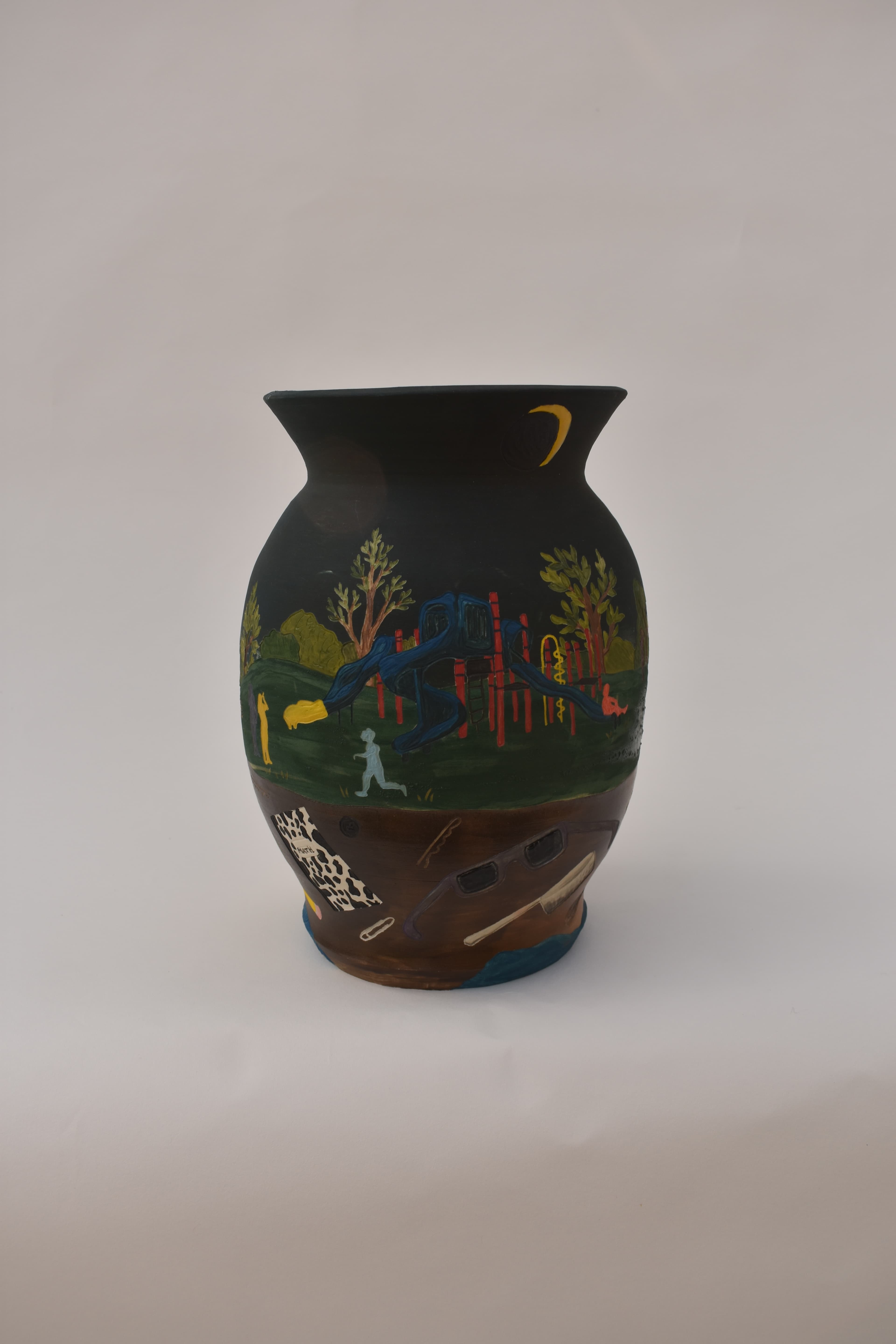
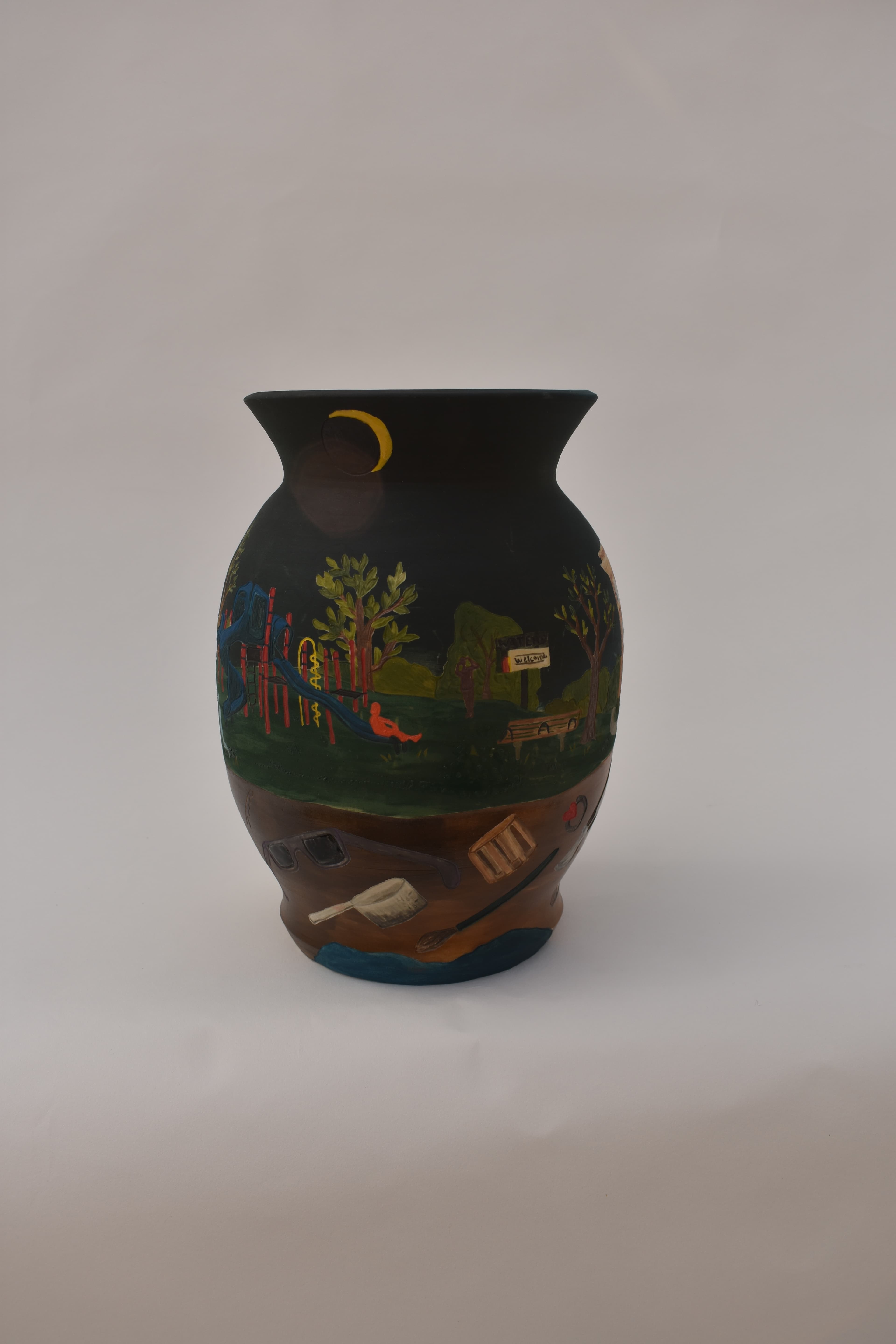
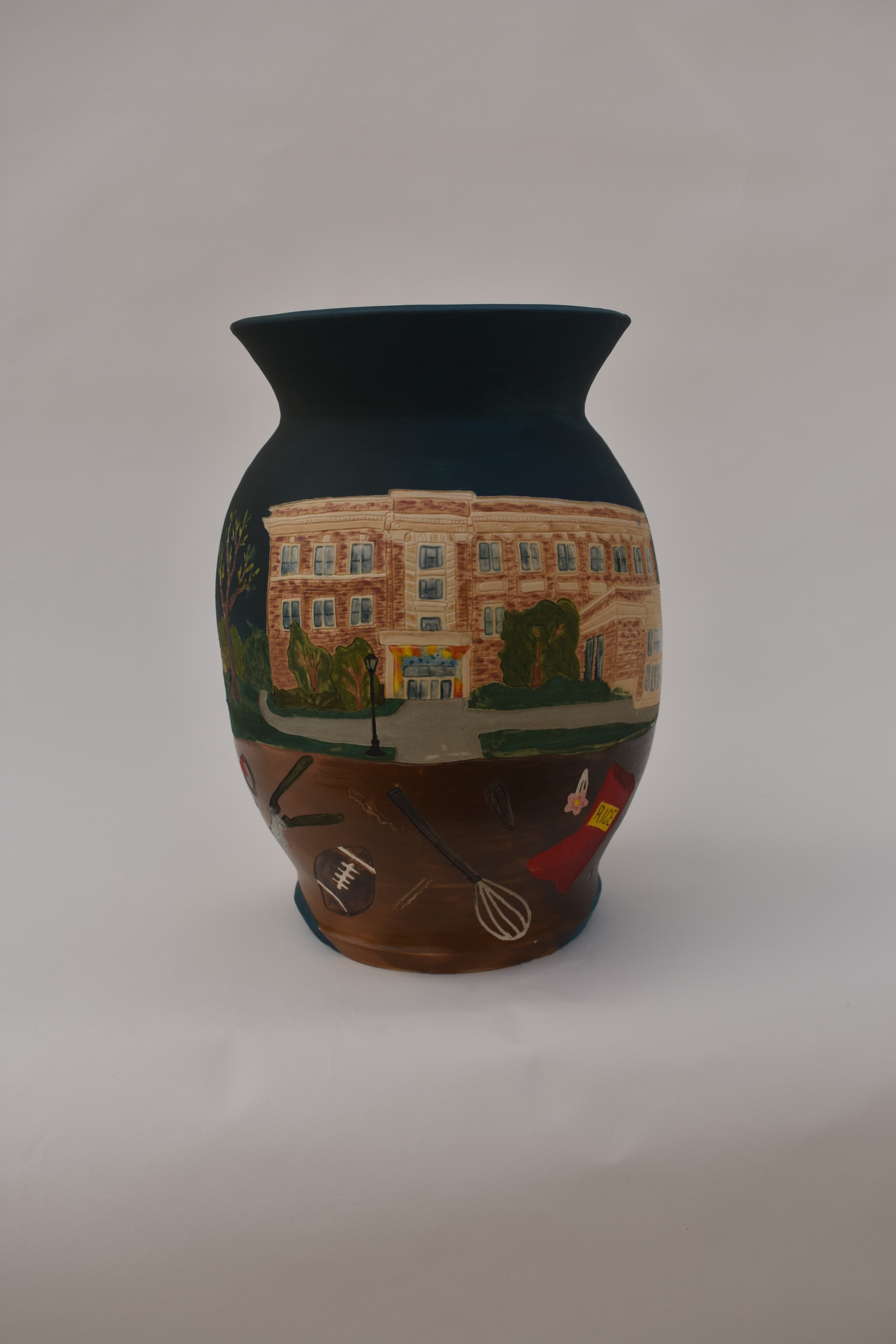
This piece is a member of my ongoing series of Memory Vessels: ceramic objects intended for the

storage and preservation of memory and experience as opposed to food and drink. I worked with the kids in Ms. B’s 3rd grade class to select objects they felt encapsulated their time at Waters Elementary.

We discussed the 17 year cicada cycle and how the natural rhythms of the Earth offer metaphors with which to explore and describe our own experiences. We also discussed the solar eclipse and how they’ll always remember such a special, once-in-a-lifetime event they spent together at Waters.

The vessel depicts the school building one one side and the playground on the other, with kids running about, reading on the benches, and watching the eclipse together. Buried below ground are the objects the kids chose and drew out for me to add to the piece, which I think worked wonderfully to incorporate their unique lived perspectives into the work.

Brian Herrera & Irma C. Ruiz Elementary School

Click photo to enlarge

Click photo to enlarge

I would like to show students craft as an artistic practice. The history of craft is seen as women’s work and for this reason, craft as a term has been disregarded as a way of making outside of high art, which implies it is low art. Accessible art should not be regarded as “low”. Depending on the amount of students this could be done in the form of making quilted or crocheted piece- I’d like to teach the students how to sew or crochet, each would work on their personal quilt square to then be combined into a full blanket, by me with student assistance. I’m open to multiple skill shares if time is permitting. 

Project: I taught the students how to latch hook and punch needle! There was some yarn drawing as well. This work focused on teaching the 4th graders of Ruiz Elementary a new skill.

Brian Herrera & Walter Payton College Preparatory High School

Click photo to enlarge

Click photo to enlarge

“Ink to Paper”

Miguel Limón – CPSLives Resident 2023-24

In collaboration with students at Walter Payton College Prep


Young people have a vital role in driving cultural shifts and social movements. By focusing on Chicago’s rich history of print media and the vibrant Zine and self-publishing community, I aim to engage young individuals in researching, documenting, and interpreting collective memory. Through archival interventions, photography, and printmaking, students may create meaningful print media such as posters, zines, flyers, and oral histories to express their values, support cultural preservation, raise awareness, and promote dialogue within their community.

Working alongside students, I will explore public domain archives, uncovering the impactful use of print media in historical social movements specific to Chicago, including the Black Panthers, the Young Lords, the Chicago Defender, and the Chicago Women’s Graphic Collective. Additionally, students will embark on photography journeys to capture meaningful spaces that reflect their worldviews and communal experiences. Leveraging screen-printing and risography techniques, they may then transform their research findings, photographs, and personal narratives into thoughtful and visually compelling print media.

One of Payton’s art teachers, Pat Guizzetti, is a faculty sponsor for various clubs, including the Art Club and the Queer Student Alliance, which I was actively involved in during my time at school. Recently, students have expressed concerns about a recent change implemented by the school administration: the reduction of gender-neutral bathrooms. These bathrooms were initially opened in response to the efforts of teenagers during my time in the club. To address this issue, I will co-create flyers and posters informed by the graphics of previous movements. The hope is to scaffold an entry point into printing-making so students can take action in- and outside of the school community. To do this, I will conduct a brief risograph workshop in collaboration with the Queer Student Alliance, aiming to generate interest and establish a curriculum for poster design and printing geared toward teenagers.


Over the course of my year at Payton, I intend to foster connections with other faculty members to identify additional student groups that could benefit from access to the risograph printer. By the end of the year, there will be a substantial collection of prints that I will scan and repurpose to create a series of larger mixed-media artworks.


Students may participate in research, artmaking, and community-building. School administrators may participate in regular communication and collaboration, incorporating their expertise into decision-making. Additionally, there is an opportunity for community forums or workshops catered to parents, guardians, and community members. By applying ink to paper, young individuals empower themselves and establish effective methods of sharing and expressing their values. The resulting print media will celebrate Chicago’s rich printmaking heritage and act as catalysts for cultural preservation, awareness, and dialogue within the community. Exhibitions and public engagements will provide a broader platform for students to share their work, ensuring their voices resonate beyond the classroom.

 

Brian Herrera & DeWitt Clinton Elementary School

Click photo to enlarge

Click photo to enlarge

Brian Herrera & Haines Elementary

Click photo to enlarge

Click photo to enlarge

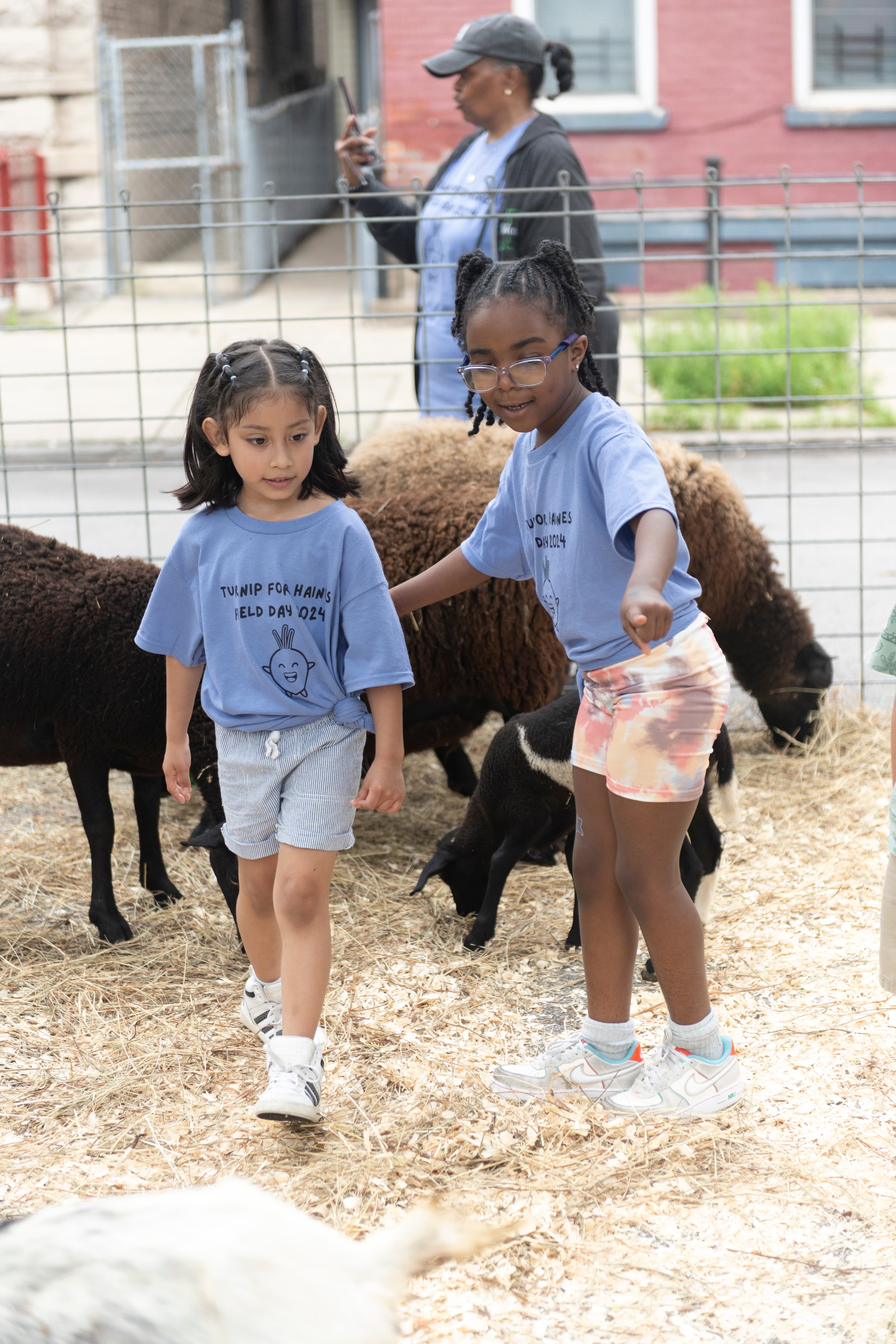
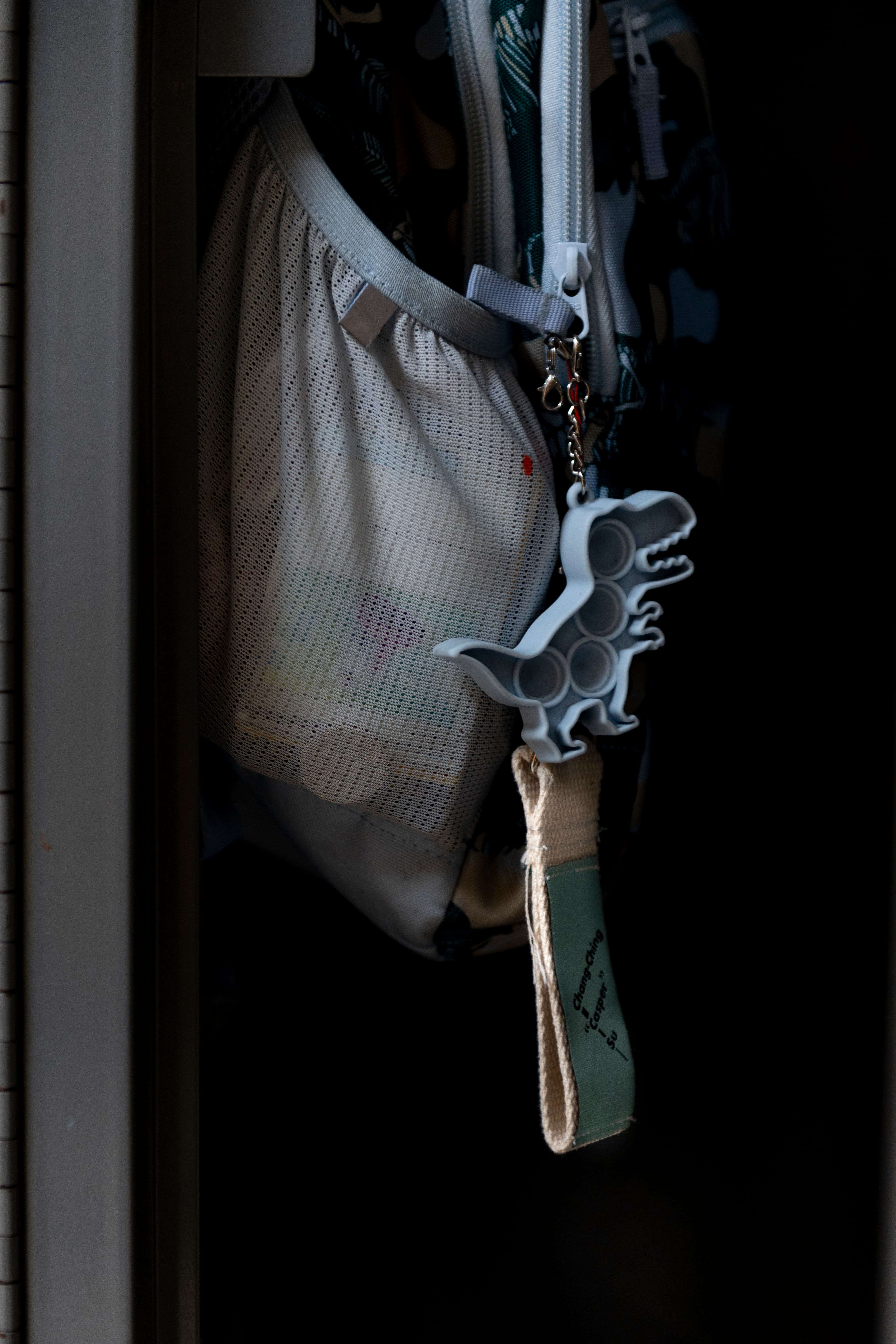
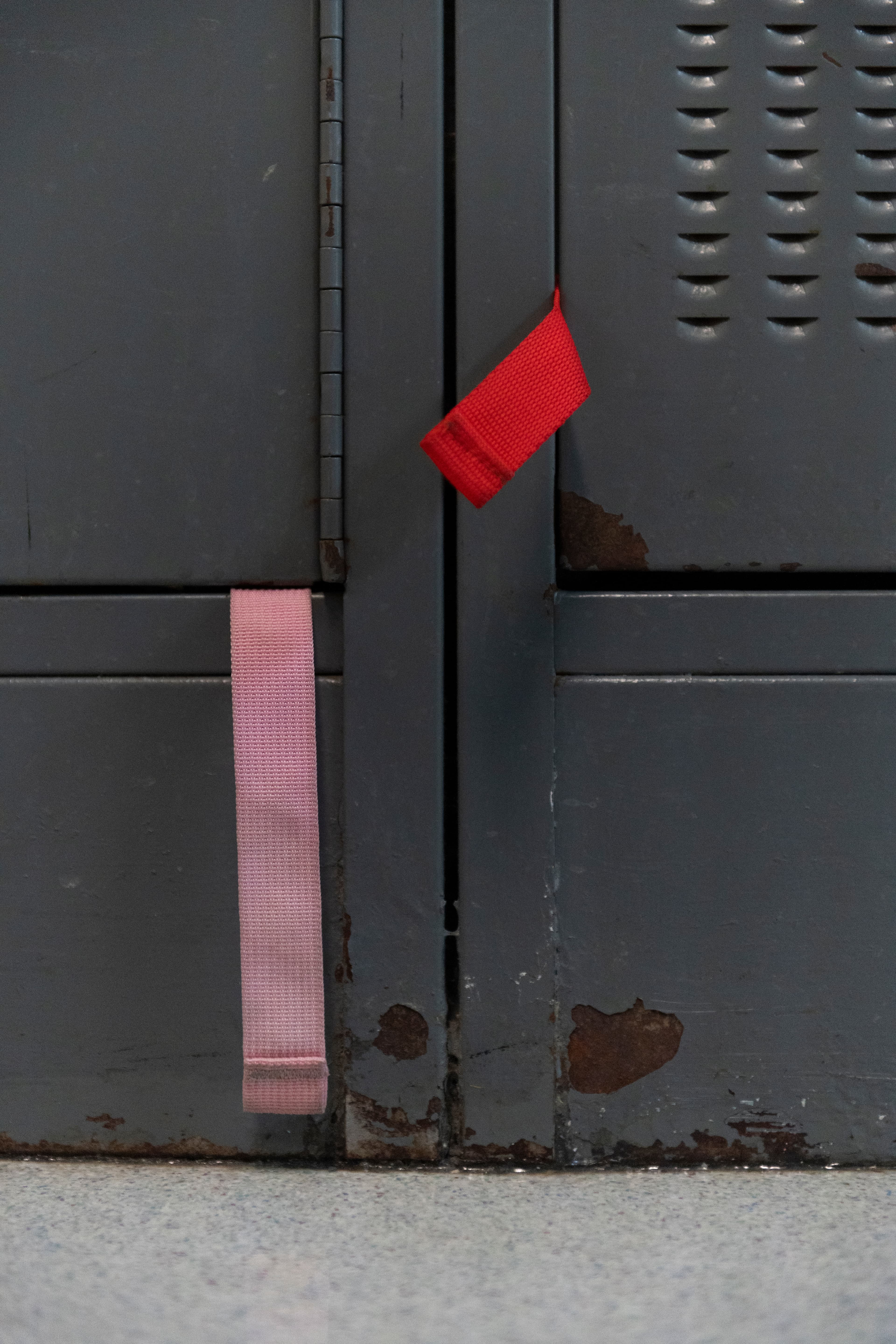
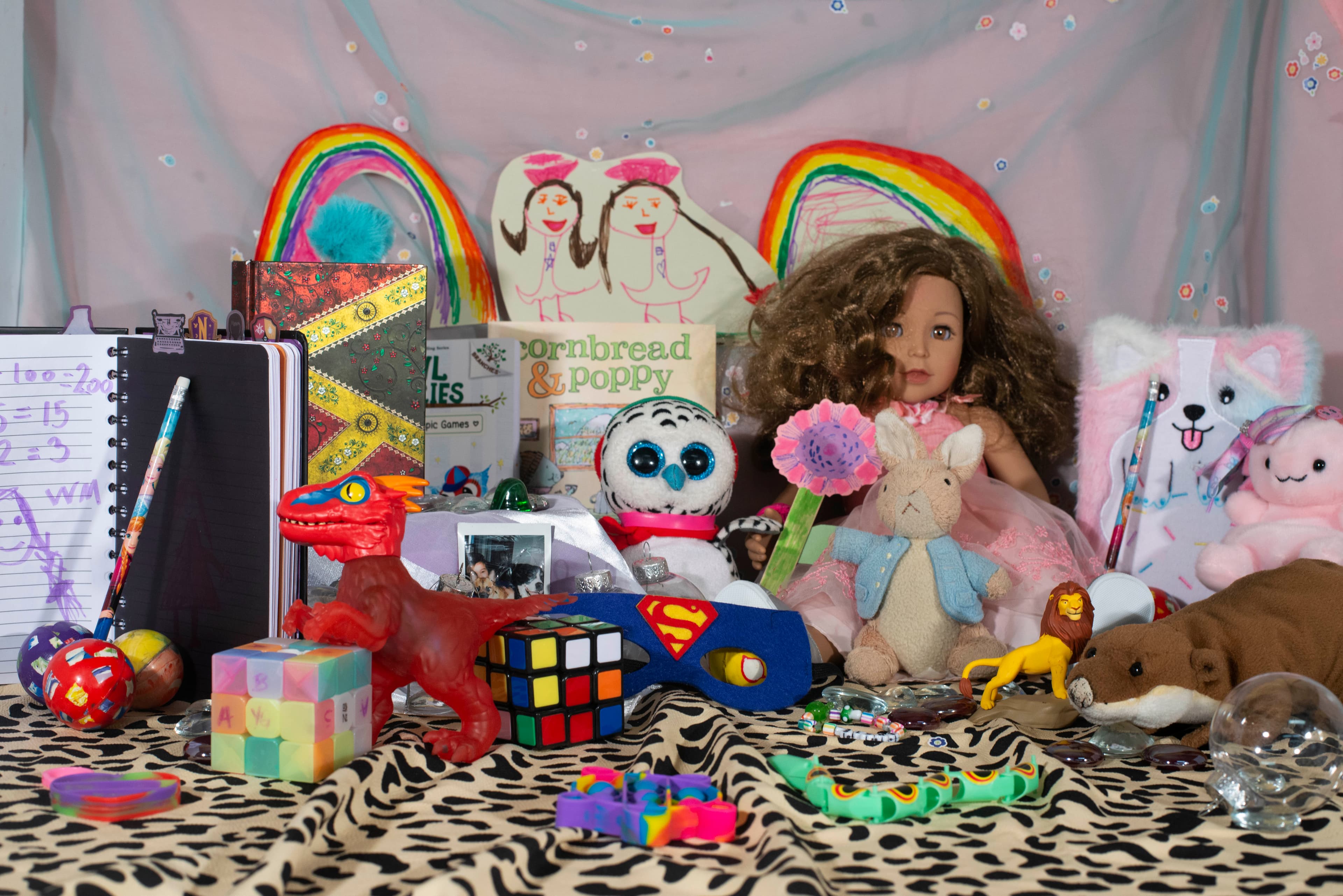
During my residency with Artists in Public Schools, I explored the concept of objects and their connections to personal narratives and community. The focus of my project, titled “The Day We Are All Included,” centers around the theme of objects seeping out from the slit of a locker at an elementary school. This project delves into the everyday lives of students, capturing the unnoticed and often overlooked details that hold significant meaning.
One of the pivotal elements of this work was the creation of storytelling in collaboration with Ms. Ni’s second graders and Ms. Martinez’s art class at Haines Elementary. This slide incorporated the students’ artwork, allowing them to express their creativity and stories through their illustrations. The project aimed to foster a sense of community and belonging, encouraging students to see the beauty in the small details of their daily lives.

Another aspect of my project was the design of keychains inspired by the seeping straps. These keychains were distributed to the students, symbolizing the connection between art and everyday objects, and serving as a tangible reminder of their participation and contribution to the project.

Throughout the residency, I encountered challenges such as balancing various responsibilities and adapting to different teaching methods. However, these challenges provided valuable learning experiences and ultimately enriched my work.

Artists in Public Schools residency has been a profoundly rewarding experience, allowing me to engage with the community, inspire creativity in young minds, and develop a deeper understanding of the significance of everyday objects in our lives.


Brian Herrera & Lincoln Park High School

Click photo to enlarge

Click photo to enlarge

Brian Herrera & Columbia Explorers Academy

Click photo to enlarge

Click photo to enlarge

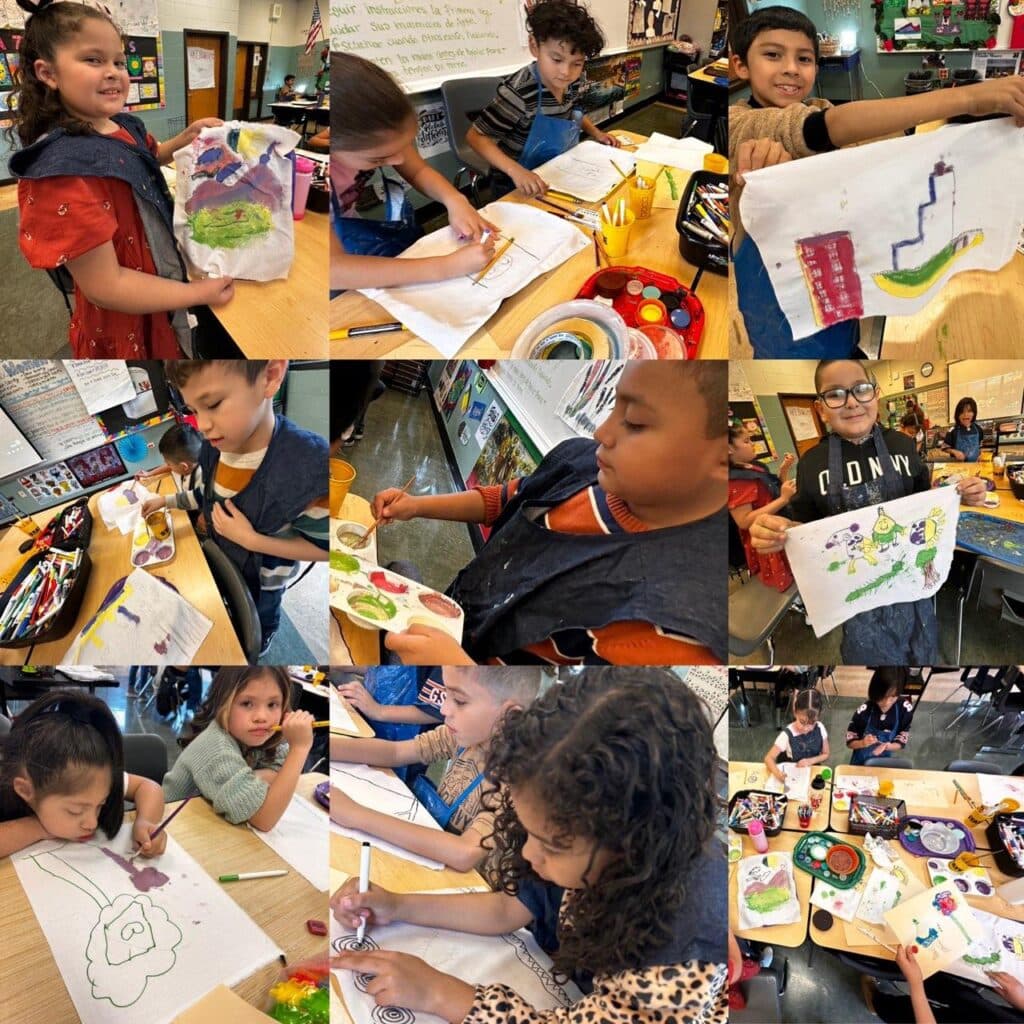
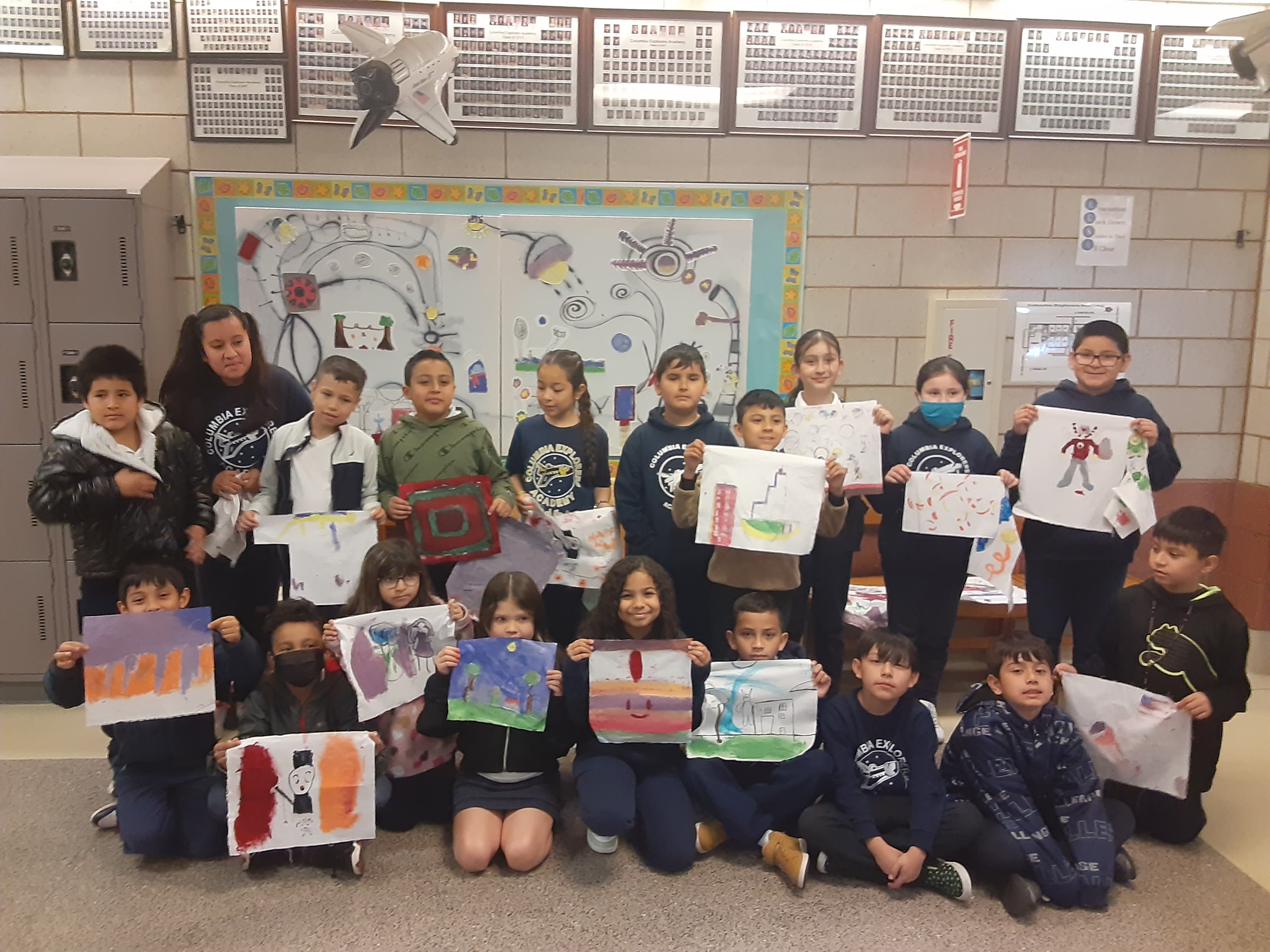
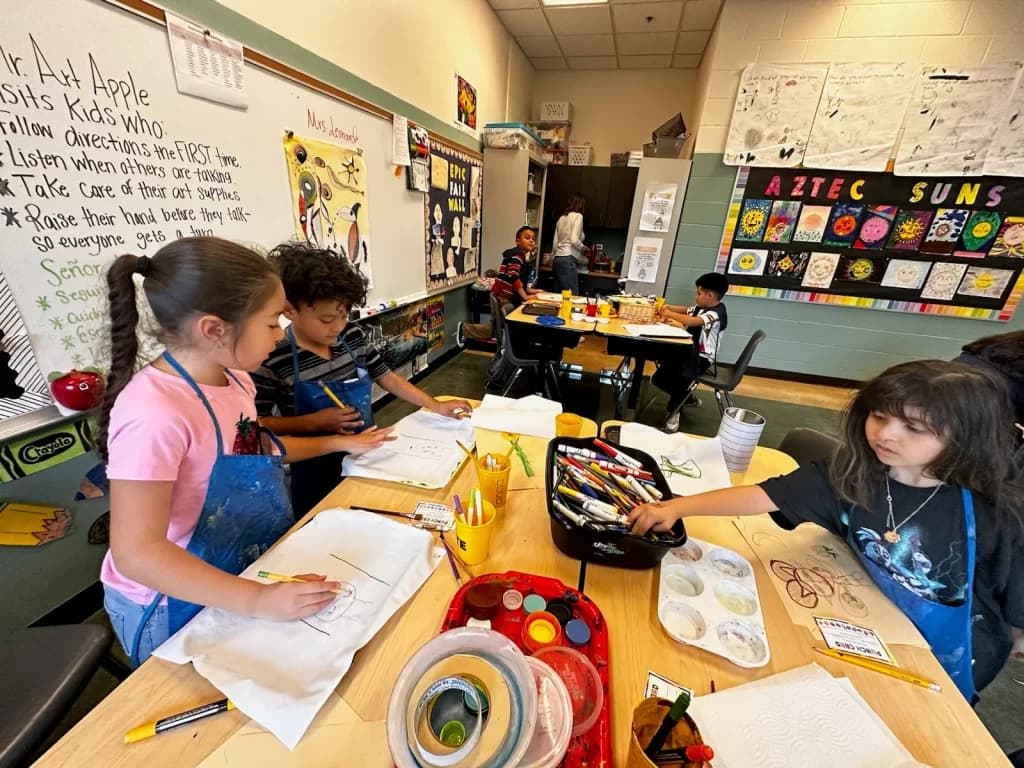
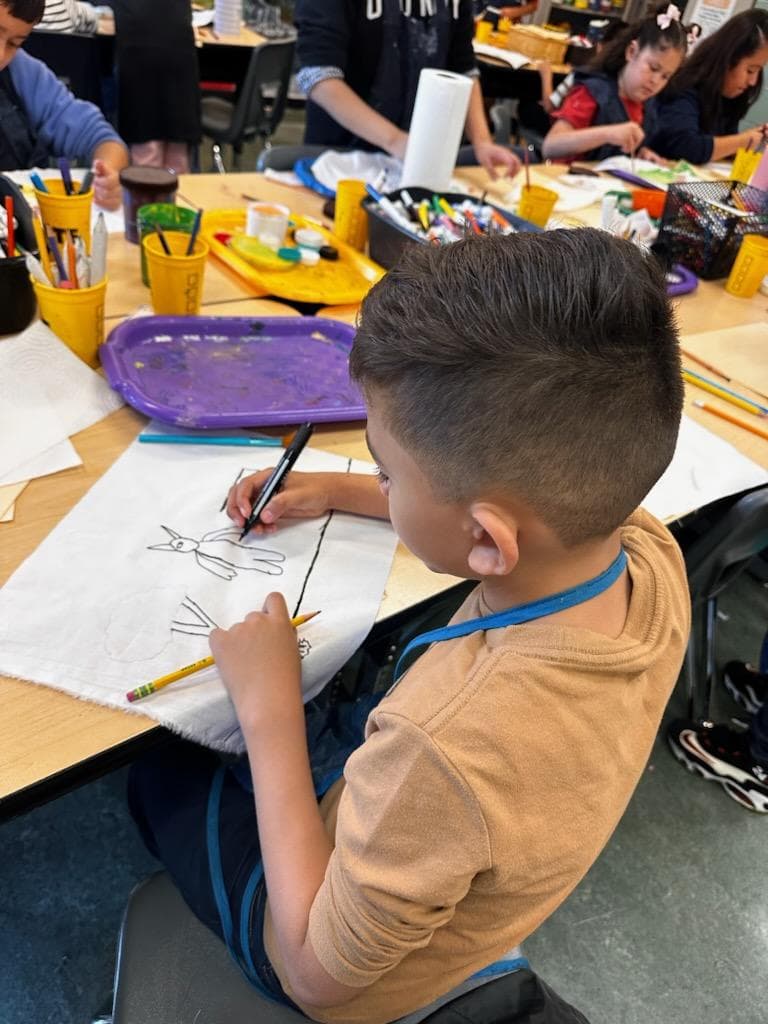
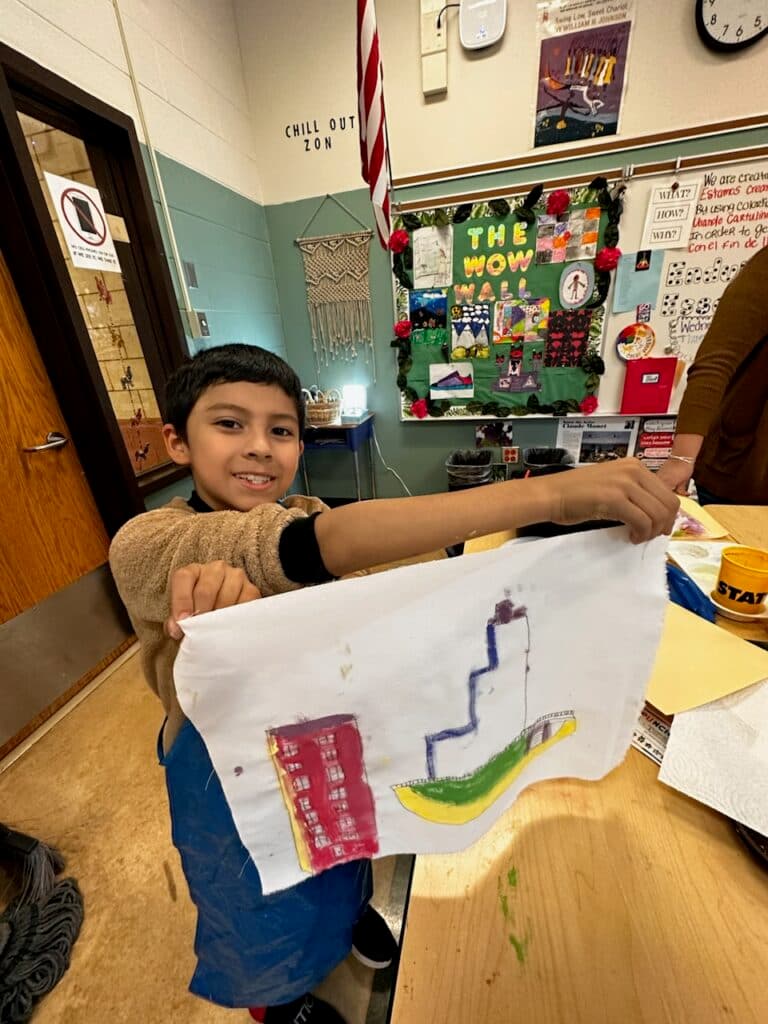
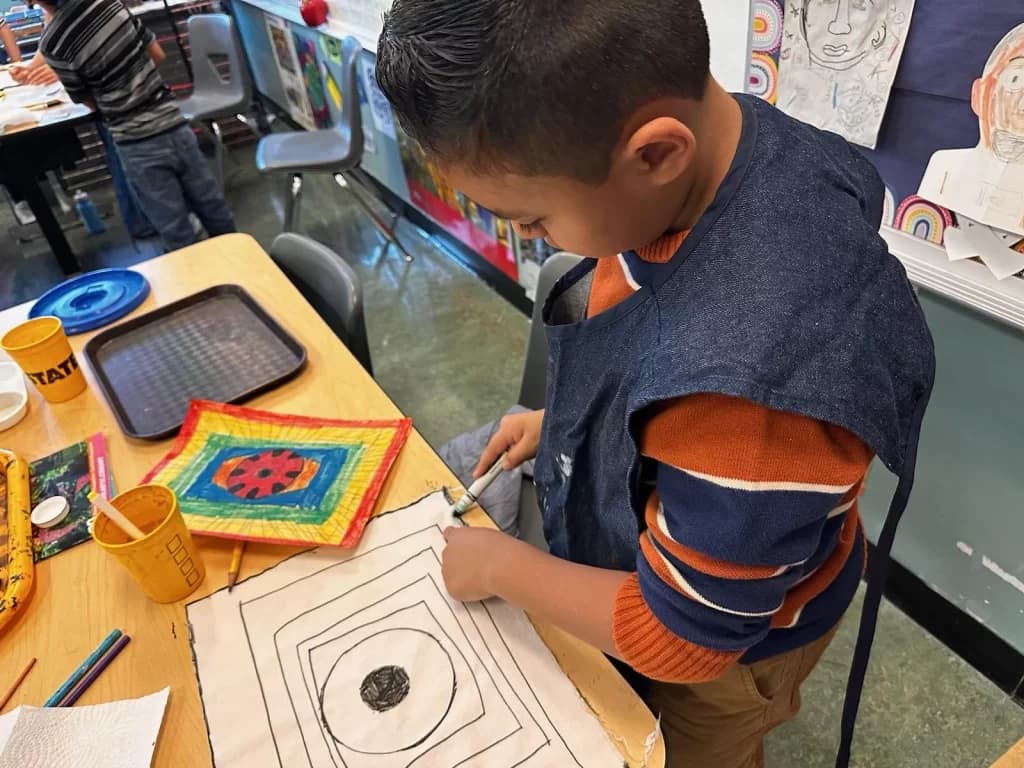
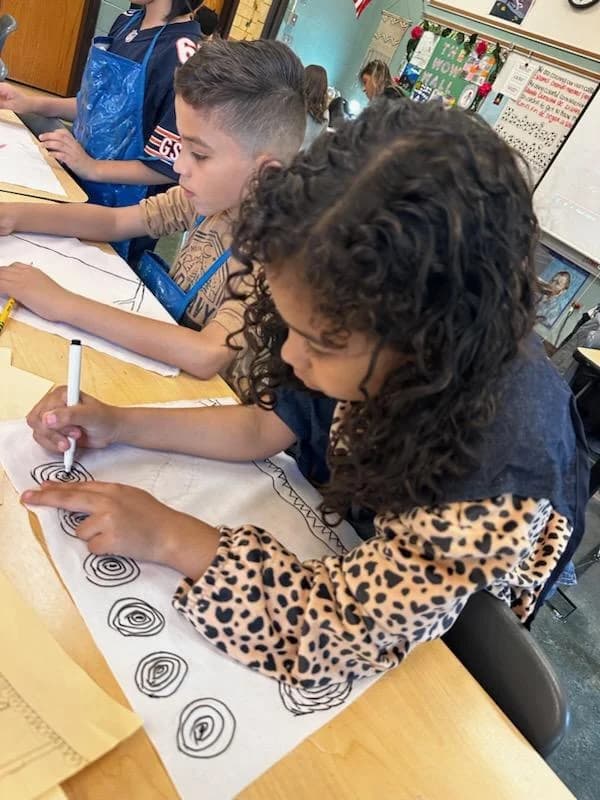
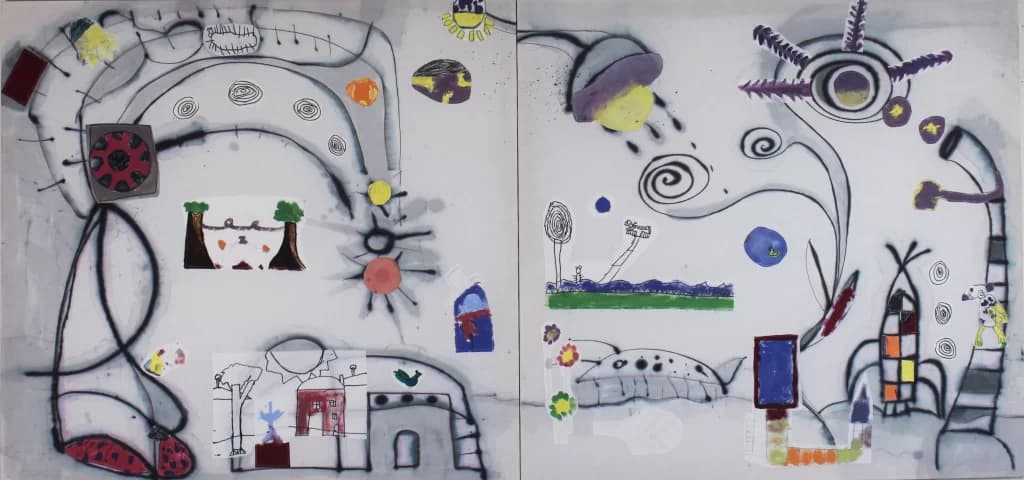
I will be creating a large fabric painting which will incorporate the students’ art.  I will be working with 3rd grade students at Columbia Explorers Academy. First I will do a slide presentation for the students introducing them to different surrealist artists like Varo, Carrington and Dali.  I want to inspire them to use imagery from their imagination with an emphasis on nature. I will also present examples of my work and talk a little about the imagery I use and how nature and surrealism inspires me. The students will then create small paintings, approx 12 x 12 inches, on fabric which I will incorporate into my larger piece.  Every student’s art will be included in the painting.  It will take me approx 2 months to create the painting.   Once completed the painting will be displayed at the school where the students will have the opportunity to see their important contributions to the art work. 

Brian Herrera & Ravenswood Elementary School

Click photo to enlarge

Click photo to enlarge

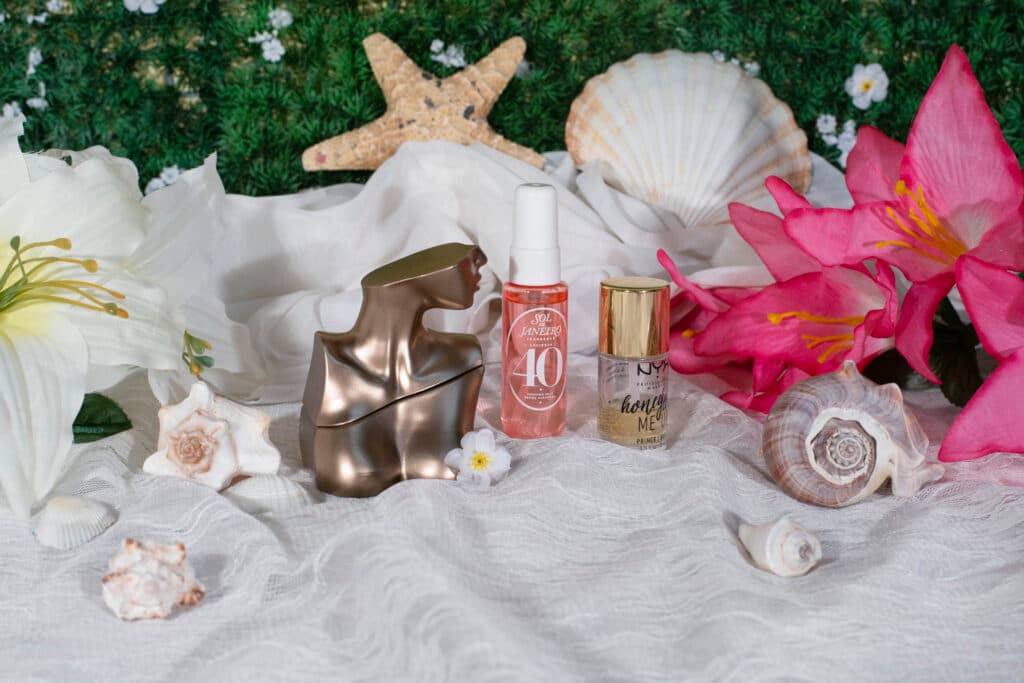
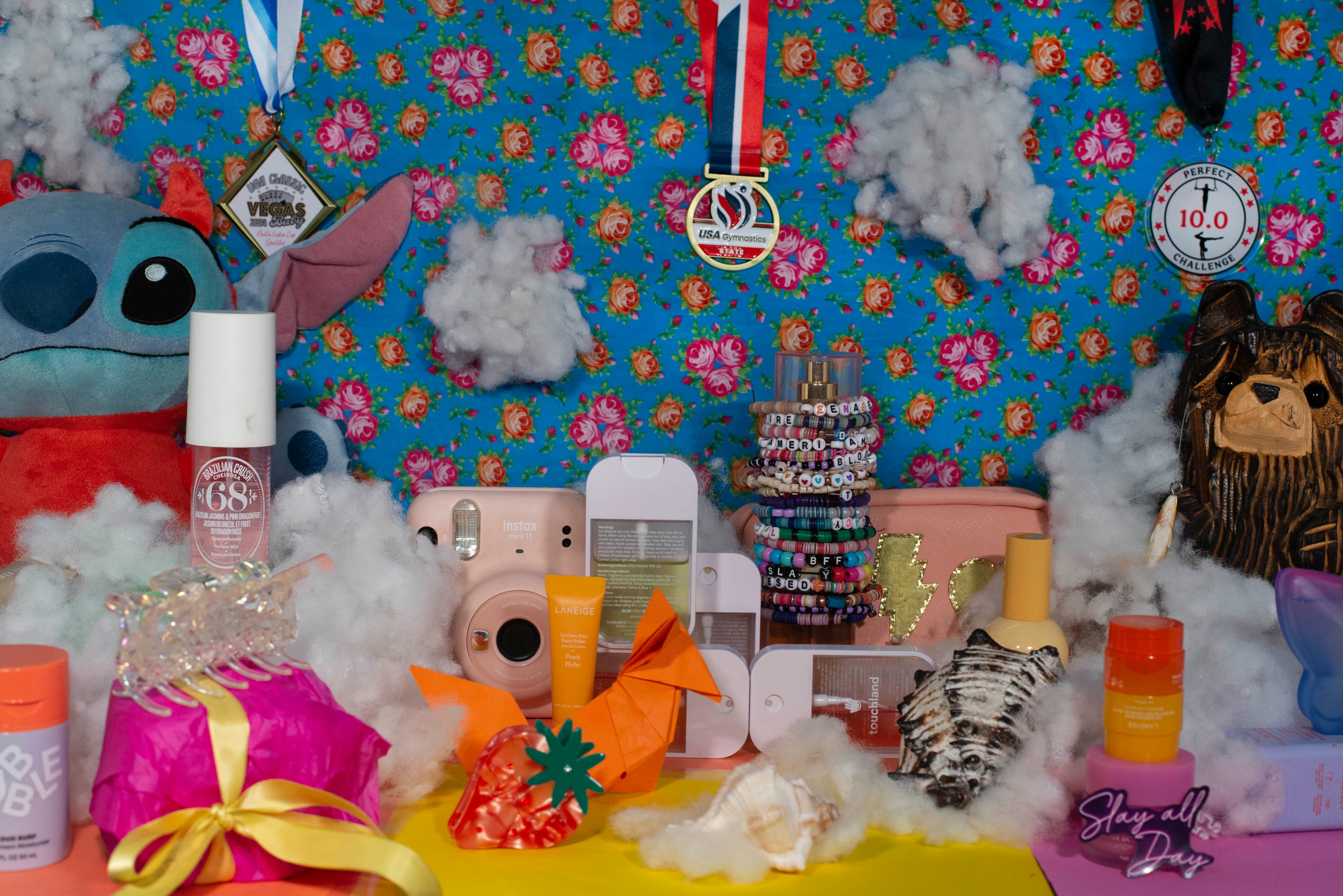
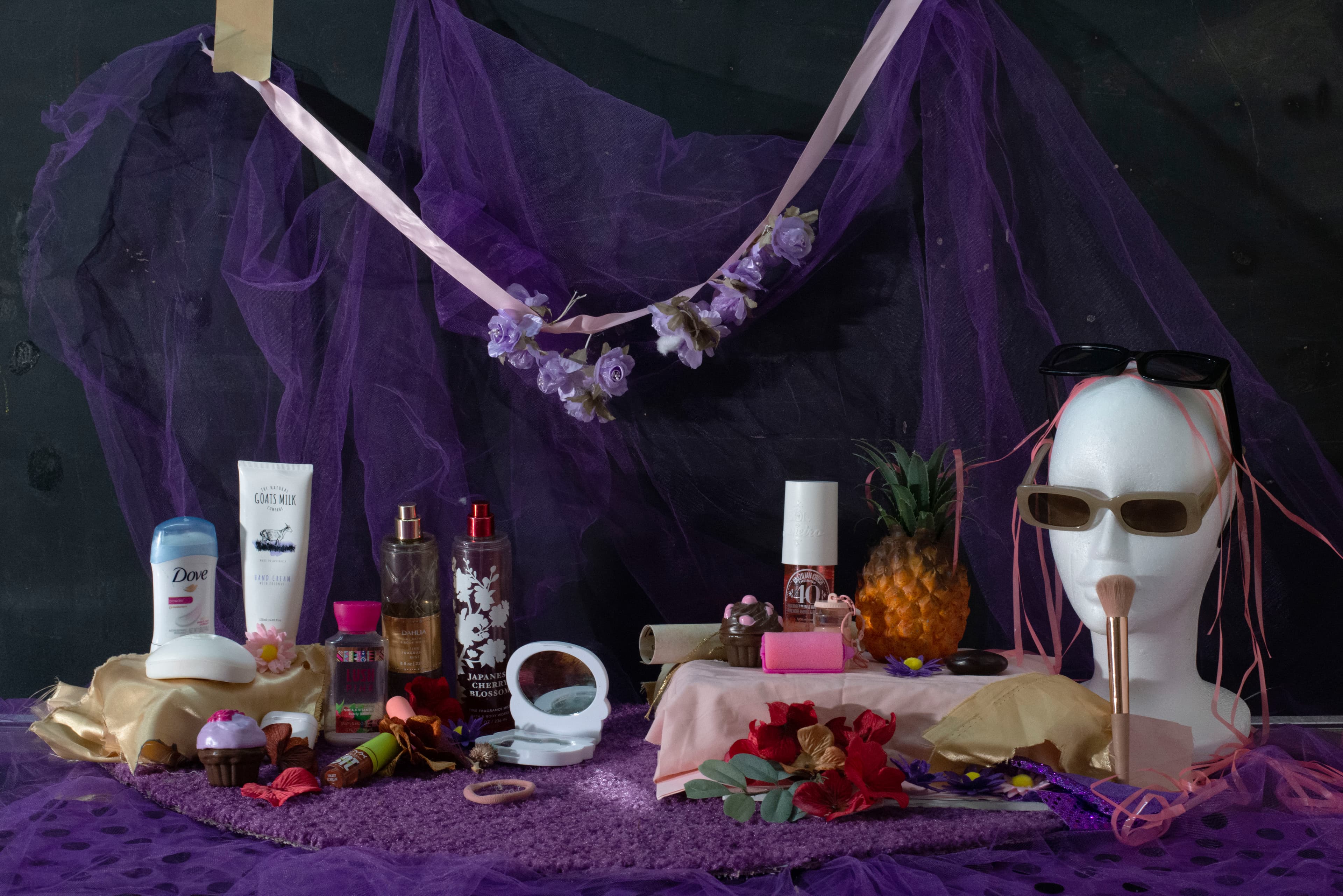
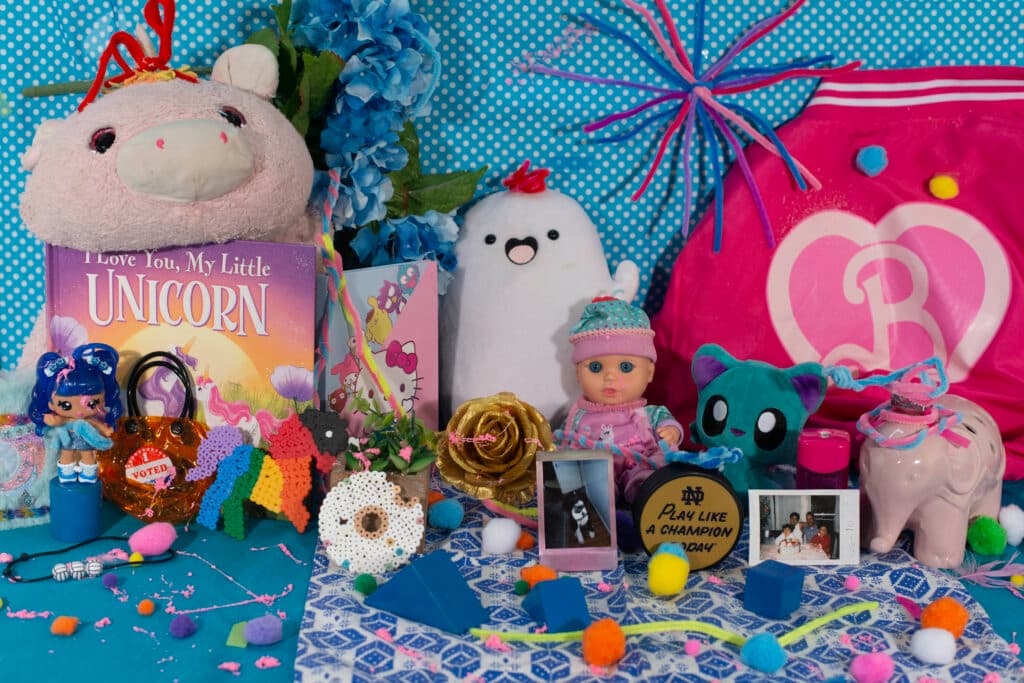
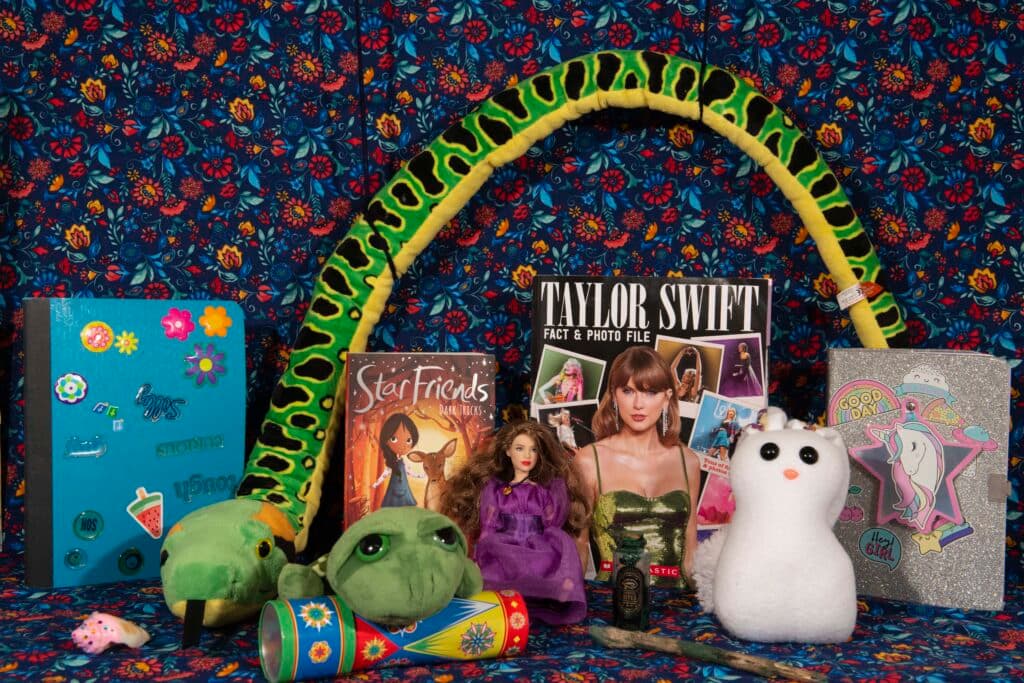
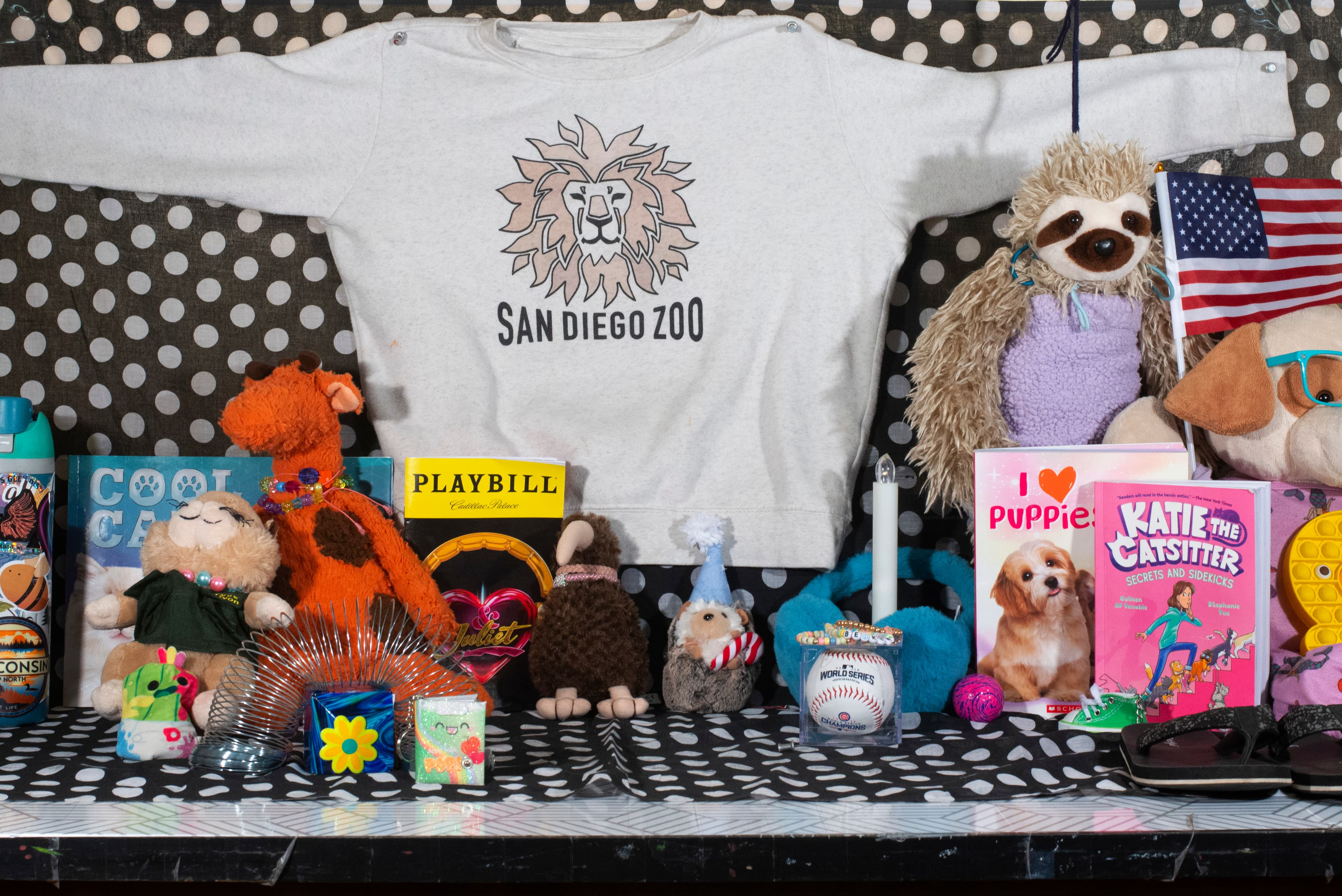
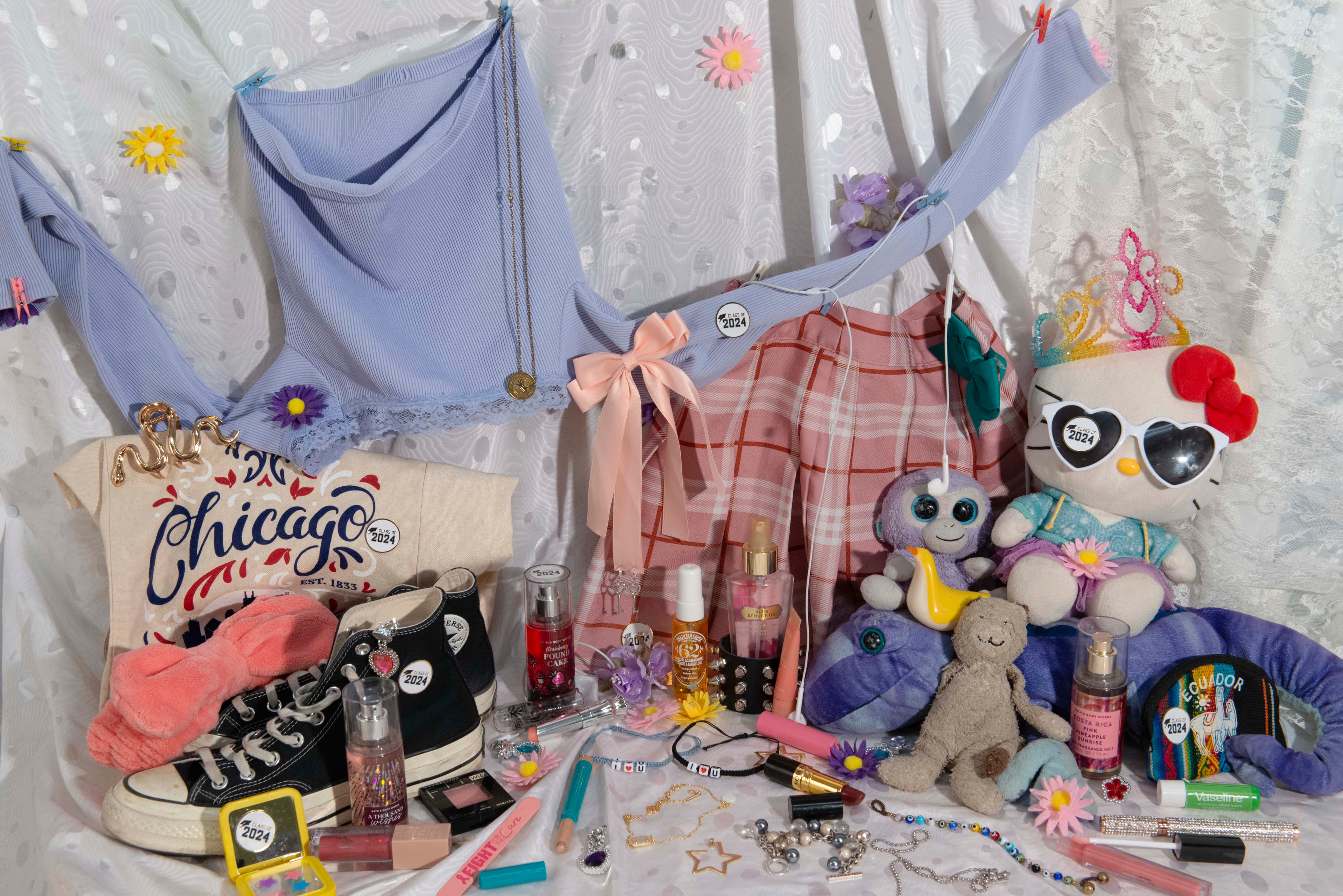
In the second year of Alyce’s Artists in Public Schools residency, she centered her work on a collaborative project that explored the representation of students’ identities through objects. Female-identifying students from each grade were invited to bring personal items from home to contribute to the creation of a still-life composition. Each grade engaged in a collaborative process, collectively determining the arrangement of the objects to construct the final composition. Alyce worked closely with the students in selecting the final photograph that would serve as the representation of the female-identifying students in each grade at Ravenswood.

Previous Artist

Nia Easley

Next Artist

Verónica Casado Hernández

Donate

Artists in Public Schools creates artist residencies in Chicago Public Schools (CPS), providing expansive art making experiences for students, educators, and professional Chicago-based artists. Working together with a collaborative, community-focused mindset, we celebrate and widely share the unique stories of CPS students and schools through art and creativity. When the arts and aesthetics are integrated into education, work, and life, we strengthen our capacity to learn. Creating something is at the core of learning.